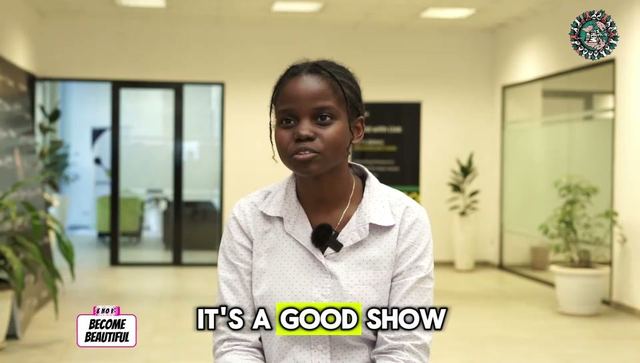
0:03BYeah, I do. I’m a junior here.
0:05AOkay. What are you studying?
0:06BI study sports management with a minor in political science. I’m kind of interested in sports and entertainment law.
0:11AOkay. What do you think about the current state of politics?
0:13BUh, I mean, it’s definitely a heated climate right now. You know, we’re in the nation’s capital. Just a lot going on, but I try not to stay too focused on the media, even though you have to. Um, it’s just a lot.
0:26AOkay, and I’m here for the Black Blockchain Summit that happens here at Howard University every day, organized by Sinclair Skinner. I think this is the 7th year they’re hosting it. How much do you know about crypto?
0:35BUh, honestly, I’m more so into trading like regular ETFs. Like, I’m not too big on crypto, but I do know like, of course, like Bitcoin has had massive growth in the past 10-ish years, so I’m familiar with that, I would say.
0:52AOkay, and so what’s your perception of that? Um, why is that? Where’d that growth come from? You know what that’s about?
0:57BI feel like just with like the increase of like technology in the past few years or so, in the past decade, um, led to the growth of crypto. Um, overall, the value of the American dollar is increasing and decreasing as well.
1:12AThe value of what?
1:13BThe American dollar is decreasing.
1:15AWhy is that? Oh, you talk about the real stuff. Yeah, how do you know so much?
1:19BI mean, inflation-wise, that’s why it’s decreasing.
1:23AUm, but how did you learn about inflation? Because most people don’t really understand what inflation is, to be honest.
1:27BUh, honestly, I learned about inflation through like my economics courses here.
1:35ALet’s talk about your economics course here and how it impacted you, because that’s, that’s a pretty good takeaway. I took econ and I did not leave knowing what inflation was, honestly.
1:44BLike With us being in such a heightened political climate, like our economics classes were somewhat focused on like what was going on with trading and like all the different things that men and officers were doing. Yeah, honestly, just doing that and like doing my own research and learning.
2:04AYeah. Well, shout out to you, man. Like I said, a lot of people really understand what that stuff is, you know. I learned about inflation when I got into crypto. Actually, my college roommate educated me on it. He said, you know, The government can print money and it devalues money for everybody because, you know, your piece of the pie is worth less now because the pie is so big.
2:19BYeah.
2:19AYou know, and the whole problem with all these countries is that really all of them can print money and essentially disenfranchise working-class people around the globe.
2:26BYeah.
2:27ASo that’s actually what I’m out here for. I want to help people understand what hyperinflation will really mean for working-class Americans and the relationship between hyperinflation, cryptocurrency, and, you know, just the state of our economy.
2:38BYeah. That’s what’s up. Uh, it’s a good thing that you’re doing, like, keeping people informed and educated, so I appreciate that.
2:43ASo do you perceive any relationship between those 2, inflation and crypto?
2:46BUh, honestly, I would have to do some more, like, research on, like, you know, the state of crypto right now and, like, the correlation, but I think there’s definitely, like, some correlation there for sure.
3:00ACan I educate you quickly?
3:01BYeah, let’s keep --
3:02Ayou hold this. Yeah, I know, I know. I’m not -- now you’re the cameraman, right? I’m working. I’m trying to make it work. You know, so Bitcoin, the first cryptocurrency, was invented essentially to help people have a hedge against inflation, right? People say there will only ever be 21 million Bitcoin. There cannot be any more. That’s the programmatic ceiling, right? And so as people in different parts of the globe are experiencing hyperinflation, they’re thinking, fuck, what do I do, right? They’re thinking, oh, let me grab the dollar. Now they’re holding dollars. You got people in Argentina and Nigeria holding dollars through stablecoins, right? These cryptocurrencies pegged to the value of the dollar.
3:33AAnd they’re happy because now they’re not dealing with their local currency, right? Which might -- they might have seen it go, right, from I can afford to live, I go to work every day, to fuck, what do I do? I can’t support my parents, can’t support myself. I’m concerned that, you know, things are getting catastrophic for everybody, right? And so the thing is that Bitcoin was designed for people to think, what can I do to get out of this world where there are people who control the value of my work and my time, right? And so a lot of people see crypto and say, oh, this is a gamble.
3:58AIs crypto going to go up? And they don’t see the question of what you just spoke to, right? What if the dollar goes down? They don’t even think about what would it mean for me as an American citizen to lose the privilege of living my life in a global reserve currency. They don’t even perceive that privilege potentially.
4:10BWow.
4:10AAnd so I’m out here to ask people, you know, how do they think that would impact people in poverty if we lost the privilege today of being a global reserve currency?
4:18BHmm. I never thought about it like that. Um, that was very insightful and definitely like changed my perspective a little bit because you never think like What happens when the value of the American dollar goes away and we lose that privilege of like our purchasing power? Yeah, that’s some good insight. I appreciate that.
4:39AWhat do you think would happen?
4:41BI think what would happen -- I mean, I don’t look too deep into the future, but I would say like if things keep going the way they are.
4:50AI mean, if you were to just say right, we stop being a reserve currency overnight tomorrow.
4:54BOh, this is a disaster. It’s chaos. But I mean, I guess the people with Bitcoin have like some type of purchasing power.
5:03AIt’s good for them, right? But it’s a mess.
5:05BUh, yeah, no, for sure, that’d be a mess.
5:08AYeah, so I went from cheering for Bitcoin to wondering what happens to the rest of us if Bitcoin succeeds and we don’t really know what, what, what casino we’re even in. Yeah, no, it’s ridiculous.
5:17BIt’s just thinking about it, like what would happen if like We can’t use our money. Like, yeah, I don’t know what I would do, honestly.
5:24AOkay. And so what would your message be to people about inflation?
5:27BMy message would be definitely invest. Like, don’t invest everything, but invest whether it’s Bitcoin, you know, just the normal S&P 500. And that’s because inflation is like, it’s like devaluing your dollars. Um, yeah, just, just always keep something to the side, but just make sure that you’re keeping your knowledge up on like financial literacy and all that. Um, yeah, just stay informed, especially like with the state of the economy, for sure.
6:03AAll right, appreciate you, man. If you could ask people around the world one question, what would you ask them?
6:07BUh, what does the value of a dollar mean to you?
6:11AOkay, and what’s your answer?
6:13BUh, my answer would be, well, I kind of asked, I was trying to turn that around on myself. What’s the value of a dollar mean to me? I mean, you really can’t do money, you really can’t do nothing in this country without money. So I mean, it just is, money makes the world go around.
6:32ASo yeah. All right, appreciate you, man. And, uh, I used to have a podcast called We Them Niggas. My brand now is We Them Media. And so my question for you is, we them niggas or nah? For sure. Okay. You think you’d be likely to go to the Black Blockchain Summit this year or next year here at Howard University? Definitely. Yeah, it’s free for students today and tomorrow.
6:51BOkay, for sure.
6:52AI’ll probably pop out tomorrow then. Okay, I like that. I like that. Man of the people. Appreciate you, man. Any message for the people?
6:59BMy message to the people is stay informed and Keep, keep reading up on the finest in the world.
7:08AOkay, your name one more time? Joe. J-O-E. Excellent.