
One question, asked everywhere.
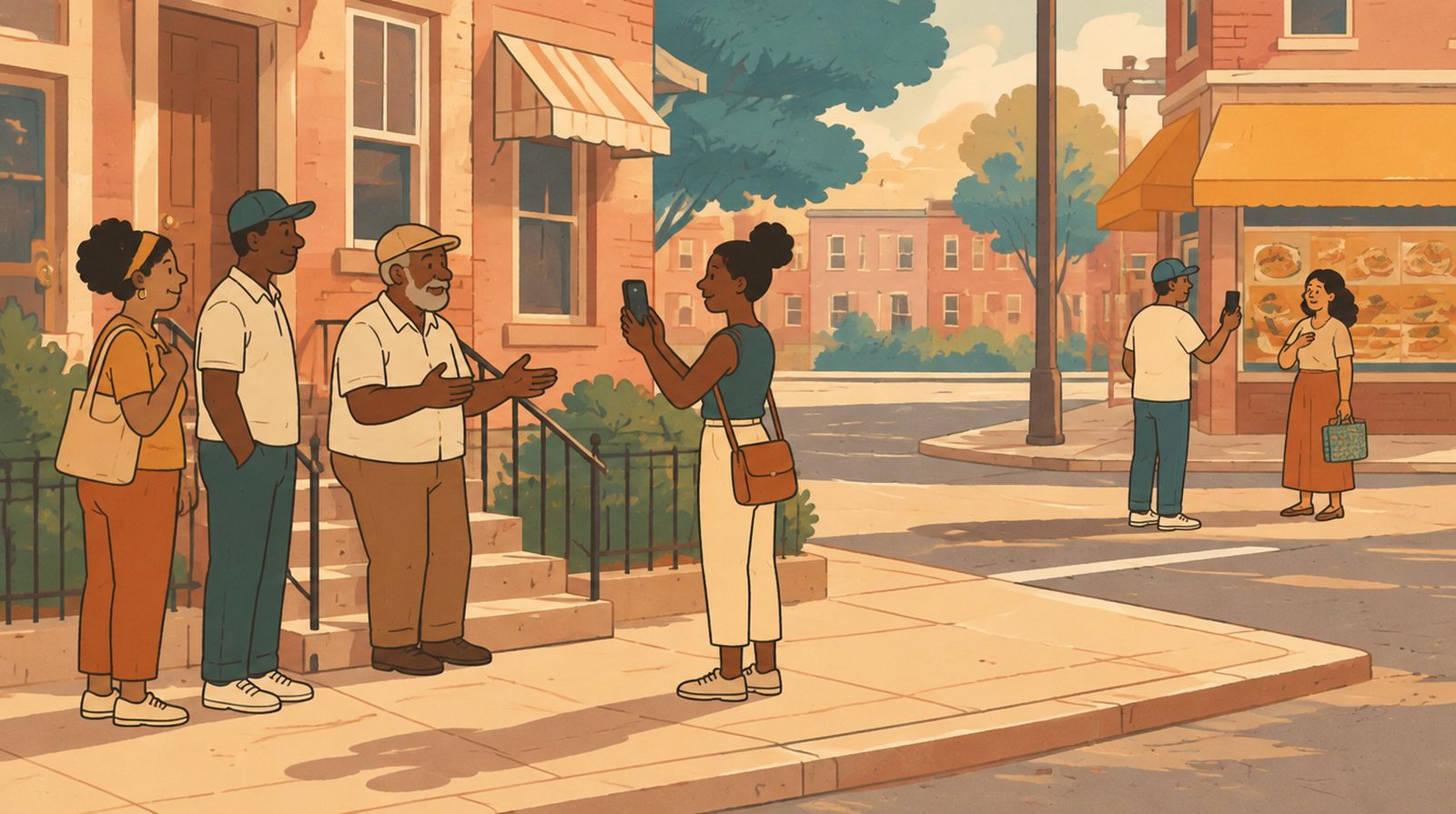
One question, put to people on their own streets and answered on camera, in as many places as the network reaches. The point is that somebody in Lagos and somebody in Philadelphia end up holding the same question, and can hear how the other one answered it.
Updated October 12, 2026 | Week 06 of 9 | 58 people asked on camera
If you could ask people around the world one question, what would you ask them?
“Now answer it yourself.”
Every question we collect leaves with the first answer already attached to it, given by the person who asked it.
Maceo on the bounty: what to teach and how the pot is split.
Teach somebody how Bitcoin, inflation and fiat currency relate, show that they learned it, and every qualifying entry shares the pot. It closes Thursday 10 December 2026, 11:59 pm PST.
The same question, in as many places as we can reach.
Most reporting picks a place, goes there, and asks whatever the story needs. One Question fixes the question first, then puts it to people on their own streets in as many places as the network reaches, in the same week. What comes back is the same question answered in Lagos and Nairobi and Philadelphia at once.
The question we ask is a question about questions, which is the part that makes it work. Nobody has to know anything about us, or about crypto, or about journalism, to answer it. They only have to have wondered something about somebody else.
Then we ask them to answer their own question, on camera, before they go. That answer is the point. You cannot ask the world something you are not willing to answer yourself, and asking for it in the same breath means nobody gets to pose a question they have not thought about. It also means every question enters the archive with an answer already on it rather than hanging there empty.
So each interview produces two things: a question worth putting to strangers, and the first answer to it. What we end up holding is a map of what people want to know about each other, with each person’s own attempt attached.
It runs continuously rather than campaign by campaign. It grew out of #QueryTheWorld, which is now the hashtag we file under rather than a separate programme. Kafani approves every interview before it goes up.
Every call recruits the next week’s askers.
The Weekly Connect is where the next round of interviews gets commissioned. Out loud, from the people who showed up. That is the engine, and it is the reason the call happens every week rather than when there is news.
- 1The week’s interviews go live and land in the catalogue below.
- 2Wednesday, on the call, that batch gets played. People watching react to it in real time and the feedback goes back to whoever filmed it.
- 3Attendees are asked to go out and ask the question themselves. That week, on their own street, with whatever camera they have.
- 4Kafani writes down who said yes and follows up. The follow-up is her named job and a weekly task on the tracker, so a yes given on a call gets asked about during the week.
- 5What they bring back plays on the next call, in front of the people who will be asked next. Then it goes again.
- 6The questions themselves become the next thing we carry. A question collected on a street in Lagos can be put to somebody in Philadelphia with the Lagos answer beside it. That is the whole idea.
If it works, the number of people asking grows every week without anyone being hired, because the call is doing the recruiting. If it does not, the catalogue below will show it plainly, which is why the catalogue is on the same page.
Milestones, week by week.
The first campaign opens on the Connect of Wednesday 9 September and closes on the Connect of Wednesday 4 November. Nine weeks. Each week closes on The Weekly Connect that Wednesday, where that week’s interviews get played.
people asked on camera, answered or not, from as many countries as the network reaches.
The number above moves only when Kafani’s tally does, after the Friday meeting. The targets below ramp rather than holding flat, because this is a community number rather than a staff one: it goes up as more people join in. That is what the Weekly Connect is for.
Kept by Kafani, one number in numbers.json, moved every Friday, the homepage reads the same number
- W01 7 Sep to 11 Sep Connect Wed 9 Sep The first Weekly Connect, and this page live.
- W02 14 Sep to 18 Sep Connect Wed 16 Sep Target: 20 interviews in.
- W03 21 Sep to 25 Sep Connect Wed 23 Sep Target: 40 interviews in. Arikia joins to review the first real batch with us.
- W04 28 Sep to 2 Oct Connect Wed 30 Sep Target: 60 interviews in.
- W05 5 Oct to 9 Oct Connect Wed 7 Oct Target: 80 interviews in. Arikia joins again at the halfway mark.
- W06 12 Oct to 16 Oct Connect Wed 14 Oct Target: 100 interviews in.
- W07 19 Oct to 23 Oct Connect Wed 21 Oct Target: 120 interviews in. Arikia joins for the last notes that can still change what gets filmed.
- W08 26 Oct to 30 Oct Connect Wed 28 Oct Target: 150 interviews in, a week before the close.
- W09 2 Nov to 4 Nov Connect Wed 4 Nov, final Everything in by 3pm on Friday 6 November, then a celebration livestream over the weekend. Arikia joins to look back at the whole archive.
The targets are cumulative rather than weekly: 20 by the second Connect, 150 by the eighth. The last week is for getting everything in rather than shooting more, with the deadline at 3pm on Friday 6 November and a celebration livestream over that weekend.
Every Wednesday, on the record.
Live, Wednesday 30 September, from noon New York
The money system we live in.
My grandma told me my whole life to save money. Then a friend explained inflation to me, and I realized “my grandma’s just been burning money by saving money.”
In April 2025 the US dollar was on one side of 89% of all the currency trades in the world, by the central banks’ own survey. So this conversation is yours, wherever you watch from.
We play what people in Philly, Lagos, Abuja and Washington told us, and we talk it through live. No economics degree needed.
12:00 New York, 17:00 Lagos, 19:00 Nairobi, 17:00 London, 16:00 UTC
We start at noon New York and may keep going through the day. Before we start and after we wrap, the player shows whatever YouTube has for our channel. If it says the video is unavailable, we are not on.
Watch on YouTube, RSVP on Discord, The videos behind it
Want in? Film your own. Teach someone on your street how bitcoin, inflation and fiat work, show they learned it, then ask them the One Question. Anyone with a phone can do this. Send it in by Thursday 10 December. We split the pot evenly between all qualifying entries and play entries on the stream where they fit, and every one that counts goes in the archive with your name on it. How to film it and enter. Godspeed, friend.
The One Question Weekly Connect is the programme happening out loud. Noon in New York, 5pm in Lagos, 7pm in Nairobi, 16:00 UTC, and we hold ninety minutes for it. It is the community call we ran last year, on the same Discord event, with a programme attached to it. You do not need to have filmed anything to come. Most people who end up filming started out watching.
Every one plays tape. Some of it is what the community brought back that week, and some of it comes out of five years of archive, because a street interview shot in 2023 is still a street interview and the conversation it starts is still worth having. We react to it together, give each other feedback, and cover the rest of what We Them Media has running.
These are live streams rather than a produced show. It is a community townhall as much as a programme call: supporters, contributors, people in the Discord, people who only read the newsletter. Same room. Turn up, watch, say something.
If you came to a community call last year, this is that room. Nothing about it is starting from scratch. What is new is that there is now a programme running through it and a reason to bring something back each week.
The conversation happens first and the community round comes after it, on purpose. Turning up to a call and being asked to introduce yourself before you know what the thing is puts the work on the wrong person. Watch first. Get oriented. Say something when you have something to say.
Every one of these gets recorded and published. We are back to building in public, which means the thinking happens on the call rather than in a document nobody sees.
Noon to half past one, New York time. Ninety minutes is the window we hold rather than a runtime we have to fill, so if the room runs out at the hour we will finish at the hour. Tentative, and likely to change before the day: the order may move and things may get added, so treat this as what we are planning rather than a promise.
- 1Welcome. Who is on the call and where from. Quick.
- 2The conversation. Kafani and Maceo on street interviews: what makes a good one, what you actually say to a stranger in the first five seconds, and where One Question goes from here. Tape gets played inside it. You can just watch this part.
- 3Open floor. Your questions, now that you know what this is. Nothing is off the table.
- 4The community round. What people brought back this week, feedback on it, and what everyone else has running.
- 5Go and shoot one. What we are asking for this week and how to send it in.
- Weekly Connect 1 The first one. What this is, who is here, and the first tape off the pile. RSVP on Discord. Wed 9 Sep
Every interview, as it lands.
We add each approved interview here as it publishes, newest first, with who filmed it and where. This is the running record of what the question actually produced.
Before the programme had a name, the archive was already asking. These are the questions it has put to people in more than one place, with every answer quoted from the transcript and linked to the moment it was said. 9 questions, 126 answers. The words the answers lean on are in the glossary, every place they were filmed is on Where the network has filmed.
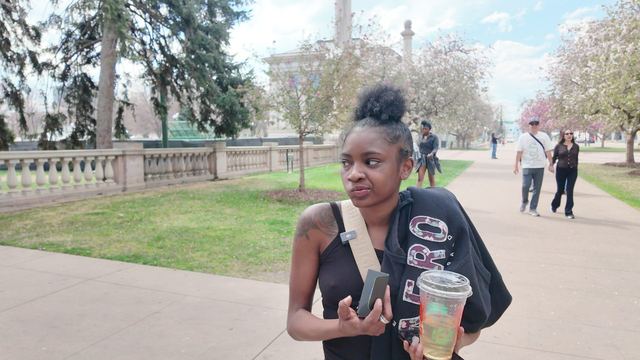 Length 1:04What is the most important global issue today? 14 answers
 Length 2:54Is the internet good for us? 11 answers
 Length 9:03What made you smile today? 17 answers
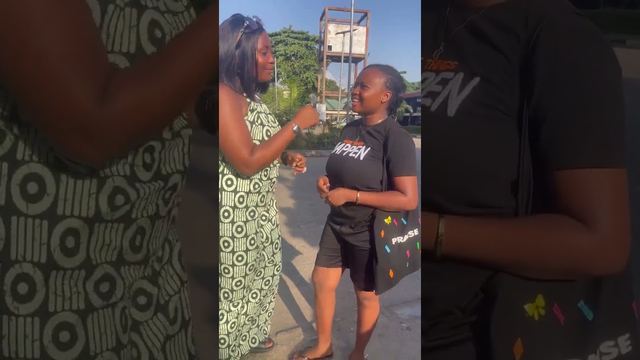 Length 9:39What is Ethereum? 10 answers
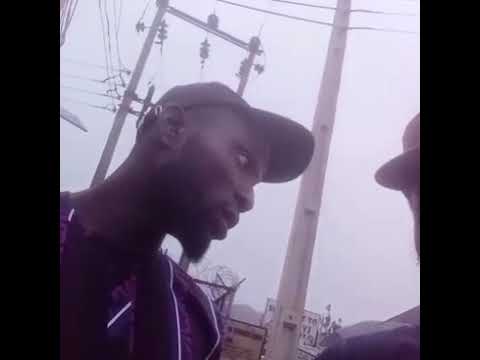 Length 2:56What do you think of the United States? 13 answers
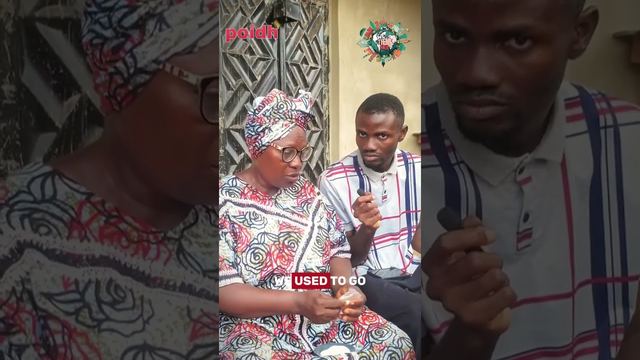 Length 7:24How has the place you live changed in your lifetime? 8 answers
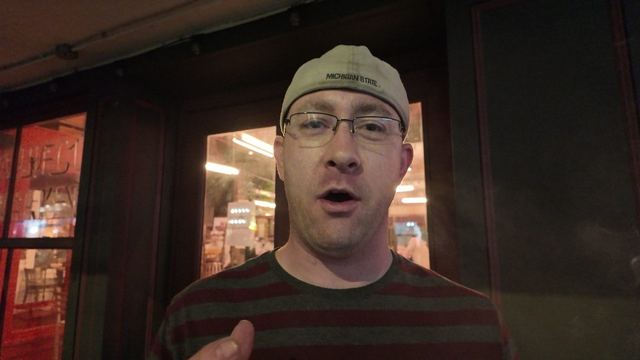 Length 3:56Do you have a message for the builders? 9 answers
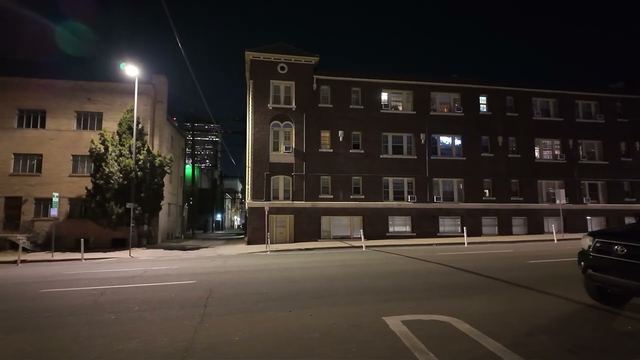 Length 21:18What would you say to someone under ten? 12 answers
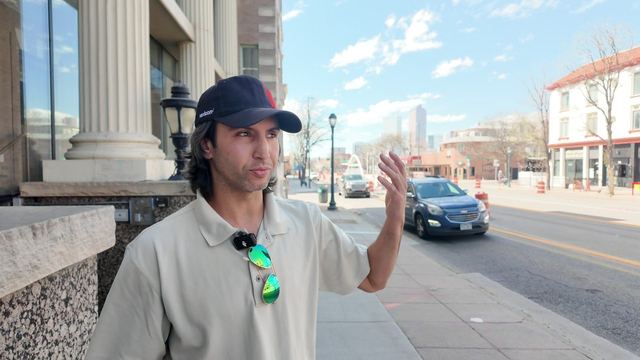 Length 1:47If you could ask people around the world one question, what would you ask them? 32 answers
The first interviews appear here as we approve them.
What an interview is made of.
Every One Question interview has the same three beats, in the same order, filmed in one take on whatever camera you have. The shape is fixed on purpose. It is what makes a hundred and fifty of these read as one body of work rather than a hundred and fifty clips, and it is what lets somebody find a specific person in it years from now.
- 1They say who they are. Name, age and where they are from, to the lens, before anything else.
- 2They ask their question. In their own words, with no question supplied by the filmer.
- 3They answer it themselves. Both halves, or Kafani sends it back.
In one of the videos? Message us on Instagram (@we_them_media) or X (@WeThemMediaHQ) and we will get back to you within two weeks. The panel headed Something wrong here? at the foot of the page it is on works too. If you want it down, it comes down: you do not have to give a reason and nobody will ask you for one. That holds for anybody in a We Them Media video, whenever it was filmed and whoever filmed it.
Getting it to us
The method in full, the three beats and how to send one in, is on one screen at wethem.xyz/film.
- Anyone in the network can film one. A phone, a street, and someone willing to answer.
- Kafani approves everything. One editorial standard across every country.
- Post it to X and tag @WeThemMediaHQ. It goes on our YouTube with their name on the piece and yours on the byline, if you would rather it stayed on your own account, say so in the post.
- Or bring it to the Wednesday call. Say on The Weekly Connect that you will ask the question this week, and Kafani will follow up with you.
- Some are commissioned. Where a specific question needs chasing we post it on poidh and whoever brings the answer back gets paid. This season it is teaching someone how bitcoin, inflation and fiat work, and showing they learned it, open until 10 December.
The person you’ll actually be talking to.
Kafani is the One Question Community Steward. She takes the names on the Wednesday call, follows up with the people who said yes, and approves every interview before it goes up. If you want to ask something, or you have filmed something and do not know what to do with it, she is who you are looking for. Here she is, so you know who that is before you say anything.
Ninety seconds, filmed on your phone.
Kafani, this is the last thing this page needs. Not an interview and not a shoot. You, your phone, one take, about a minute. It sits where people decide whether to take part, so it is doing one job: making you a person they would message rather than a name on a site.
Four things, in this order. Say them however they come out. If you fluff a line, keep going rather than starting again. The unpolished version is the one people believe.
“I’m Kafani, the One Question Program Coordinator, and I’m filming this in…”
Name, title, and where you actually are right then. Say the title, because it is what tells somebody you are the person to bring things to. Then the place, which matters just as much: the whole premise of this is somebody standing somewhere specific and talking to whoever is there.
“My vision for One Question is…”
What you think it is for and where you want it to go. If what you say and what this page says are different, the page changes, not your answer.
“Here is what I have learned doing street interviews…”
One thing you would tell somebody about to walk up to a stranger for the first time. Somebody deciding this week whether they can do it wants to hear that from a person who already has, not from a website.
“Come to our weekly call. Wednesdays, five o’clock Nigerian time.”
Say the time the way you would say it to somebody standing next to you in Lagos. Five o’clock your time, not noon somebody else’s. Most of the people who will watch this are closer to you than to New York, and a person saying a time in their own timezone is an invitation while a table of timezones is a schedule. Then say the part that matters most: they do not need to have filmed anything to come, and they can just watch. Then the one line that turns a viewer into a contributor: film one where you are, post it to X, tag us. Say it last so it is the thing people are still holding when the video ends.
Two practical notes. Shoot it landscape, and find a wall or a street rather than a ceiling. Do not script it: the looser it is the better it works.
Once it is up, this block of instructions comes off the page and your video takes its place.
Wednesdays. The call is the whole thing: that week’s interviews get played, people react to them out loud, and the next round gets asked for in the room. You do not need to have filmed anything to turn up. Come on whichever of these you already use.
Watch it fill up as it happens.
We put interviews up as we approve them, not in a batch at the end, so the fastest way to follow this is wherever you already are.
We post seven days a week across all of them. Free to watch, no ads, no paywall.
8 supporters at $178 a month pay for this work, on the way to $1,000 a month. 58 of 150 street interviews are in for One Question, which closes Wed 4 November.