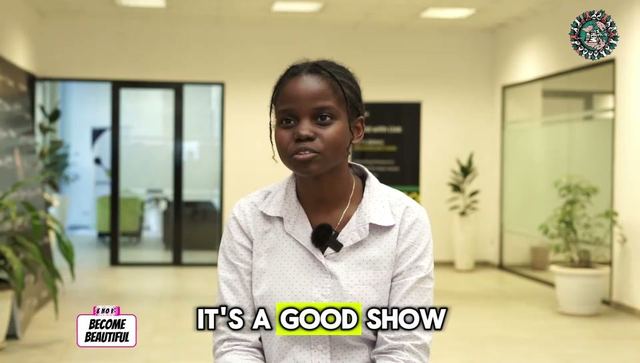
0:12BI’m a painter and muralist in DC.
0:14AOkay, so talk about that. How do you, how do you see the landscape here for muralists? Like, what are the opportunities like?
0:19BUh, they range and vary, just depending on how much you applying, how much you really doing. Who you know. A lot of politics go to it, but there’s ways around it. There’s camaraderie in different places, I’ll say.
0:35AWhere are the places that you would advise someone, maybe a transplant who’s new to the area, to come and, you know, partake in community to be able to better understand the landscape and the resources around, or the politics? People who can orient them?
0:46BY’all stay uptown.
0:48AOkay, I gotta stay uptown. What does that mean?
0:50BY’all stay in and In the Northwest side, like, just stay up there. That’s where they doing all the gentrification and all that, like the transplant. Y’all stay up there.
0:58AOh, you said don’t even come down here?
1:00BYeah, I mean, this is Northwest right here, so y’all stay right here.
1:04AOkay, okay, okay, awesome. So as I mentioned to you earlier, I’ve been doing crypto journalism for the last couple years. I had a podcast called We Them Niggas. I made over $100,000 from NFTs. I’ve been able to travel around the world. I have a team now in Africa I work with in Nigeria. Um, we’re exploring how to help content creators scale and create funnels that convert into revenue, help people essentially create, you know, funnels to market their, you know, turn their brands into a place where they can actually provide services and sell commodities and actually start to create revenue to make what they’re doing sustainable outside of, you know, just income from posting on social media. Um, and I’m also passionate about helping people understand cryptocurrency and the relationship between cryptocurrency and inflation. So I’m curious, for you, when I say crypto or Bitcoin, what do you think of?
1:44BScam, man.
1:47AOkay, you ever been scammed?
1:49BNah, I don’t. That’s why I don’t even get to it. Like, I hear so many stories about it, I don’t really know what’s going on with it. I ain’t took the time to really research it neither, but I just -- I hear the stories, and once I hear them stories, it is what it is. Until I really get into it to start like researching it, I ain’t really gonna have too much to say about it.
2:10AThat makes a lot of sense. Okay, and so if you were to like Ask me any question about it, you know, and that’s where we’ll kind of kick off from.
2:17BUh, are you pro-crypto?
2:21AUm, I’m pro people understanding crypto. I think, um, for me it’s less about crypto or no crypto, and it’s more about, uh, people understanding the dangers of money in the first place. I think a lot of people don’t understand what inflation is. I think, you know, when I got into crypto, somebody told me, you know, there are people in the world who could just print money. And that’s where inflation is essentially, is like people printing money to do what they want, but we got to work for it. And the value, everything goes up because dollars are worth less because there’s more now. And in crypto, I’ve been able to learn that, you know, Bitcoin was proposed to be a solution to that because only a finite amount of it, only there will only ever be 21 million Bitcoins.
2:55AAnd so people think, oh, that means that’s good money, right? But I think a lot of people around the world, the dollar is the reserve currency, like gold used to be the reserve standard. Now, for a lot of countries, it’s the dollar because we’ve been so strong, per se, over the last century. But I think a lot of people are losing confidence in the US and losing confidence in the dollar. And I think that a lot of people now in poverty in the US have no idea what it would mean if we actually saw the dollar lose that reserve position.
3:19BOkay.
3:20AAnd so I’m really passionate about helping people understand, you know, if people around the world don’t want the dollars anymore, you know, however much they pay you here, it’s not going to go as far as CVS, you know, next week if the world tomorrow says they don’t want dollars. And there’s no structure or safety net set up for people who are in poverty right now to actually have security in a world where the world has decided they don’t want dollars anymore. But rich people around the world are saying, no, I’m going to hold bitcoins. I’m going to do this. I’m going to do that. I’m going to hold metals and stocks, you know, to hedge against inflation.
3:44ASo I’m really passionate about working-class people starting to understand that, you know, it’s not about how do we gamble and maybe get rich, but it’s about how do we make sure that, you know, if the economy around us were to tank, we would have made sure we could take care of ourselves. Because this economy has proven time and time again that if you are working class or in poverty or Black or in any degree, you know, not, not, you know, a white male really, you’re going to be challenged, you know, to really have upward mobility in this society.
4:08BSo what’s the difference between them two? Like, from one group handling it versus another group handling it?
4:14AAnd we’ll say more about that when you like rephrase that question.
4:17BWhen you say that there’s a person that’s out here that’s like they want to handle the Bitcoin versus doing the original people like the people who pay your W-2 and all of those things. What’s the difference between them 2 people?
4:28AUm, I think like the, the point is that no one’s supposed to control Bitcoin, right? And so the point is, how can we create money that nobody can print? Like, there will only ever be 21 million. It’s a, it’s a digital program, it’s all software, and it’s like coded to be to work a certain way. It can’t ever work a different way, you know? And so I think the difference is that, you know, your, your employer is thinking about Right? How do they get a piece of the economy? How do they get a piece of all the revenue that’s going to happen, right? And so no matter what, like price of goods go up, businesses, they still work.
4:58AIt’s just the the supply chain for that business has now changed, and what they’re going to do is now put that cost on the consumer. But the question is, are they also going to raise wages in an environment where they’re now having to raise the prices to make sure they can actually stay in business? Like, do small businesses still are they still able to compete, especially in an economy with AI and AI agents, which are now Not just replacing jobs, but just able to execute and they don’t get tired. And so you can have AI agents build you a website, build you a business overnight, you know, while you’re sleeping.
5:25AAnd there’s nobody, you know, you could get to do that for $200 for the month. No night, you know, $200 for tonight, maybe somebody, but they’re not gonna build you a good website.
5:33BDepending on how you do it, I’m sure there’s ways around it to get to where you want to get to. Yeah. I mean, like technology, just like a Bitcoin has been transitioning into different ways. You can build a website in 15, 20 minutes. It don’t matter where you are.
5:47AThat’s true. That’s true. That’s true.
5:48BSo, I mean, to say that like AI could take that job away from you, technically it can’t. Like if $200 is what you charge to build a website that costs you $50 to do.
5:57AYeah.
5:59BYeah. You still got what you needed. They still got what they needed. Like, and even if I’m a W-2 or a 1099, I still, I’m still gonna get paid and taxes still gonna get paid.
6:10AYeah. I think the question is, right, when you get your paycheck, does it actually help you cover the expenses of your life? You need a second, third, or fourth job now. Like, that, that’s really the question is, right? Does your work translate into money that actually lets you take care of yourself? And a lot of people right now, as inflation goes up, are finding themselves challenged to still take care of themselves, people who might be dependent on them.
6:26BWell, again, that’s the old adage, more money, more problems. The more money you get, the more things you want, the more things you have. Yeah, I mean, regardless of how much money you have at any given point in time, you’ll always want more.
6:38ASo I agree. I think, I think the -- for me, when it comes back to crypto, right, it’s just like How easy is it actually to accumulate money? Because in an environment where you can accumulate a million dollars and you still can’t afford rent somewhere, you know, like in Nigeria, they’ve had over almost 400% inflation since 2020, you know. And so that means like if wages don’t scale with that, right, now all of a sudden everything costs 4 times more, 400, like 100% more, right?
7:01BWages will never scale with it.
7:02AThey never do, right? So that’s the concern. If overnight inflation we saw like exponentially happen, Americans will be in shock.
7:09BYeah, but they’re only being shocked for oh so well because that’s the point of capitalism. Capitalism makes it so that you have a product, you can sell it. If you can’t sell that product, what happens to it? It goes on clearance or you go bankrupt.
7:23AYeah, yeah, exactly.
7:24BOne or the other happens. So regardless of if they raise the inflation to the point where no one could actually sustain it, what am I really losing? Because the rest of the world can’t afford it neither. There’s a finite amount of people who can afford it, just the way the same way there is a finite amount of people who can afford five, six houses. There’s a finite amount of people who can afford three, four cars. There’s a finite amount of people who can afford a driver, house cleaning, all of these things. You look at how many people make under $100,000. How many people make over $100,000? Like there’s a lot of things that play into it. So I mean, like in my own view of it, it’s just being repackaged and serviced to me in a new. Format, just with a new owner, I guess you would say. That’s just how I view it. Like, if I look at Bitcoin, I’m just looking at it as this is a new person. It’s essentially Pepco versus BGE. Like, I’m still getting power. Who I’m getting the power from is just a different person.
8:21AYeah, but they’re not gonna start paying you in Bitcoin. That’s the whole thing. They’re still gonna pay you in dollars while they make money and then buy Bitcoin, right? And so the concern is then, right, if they’re paying you in Bitcoin, then you would be getting money that scales with inflation. And so I just want people to understand, like, you don’t have to buy Bitcoin hoping it goes up. But I think it’s worth considering, what am I doing in case the dollar goes down? Because that could ruin your life.
8:42BDoes the dollar go down and I lose my value if it goes down?
8:44AYeah, but I think that the premise is more people hold it with the concern that the dollar will lose that position, right? And so if the dollar loses the position, people assert Bitcoin will replace it. And if that happens, then Bitcoin does well and Bitcoin and dollars go down, right? And if the inverse happens, then that’s great. You know, things stay as they are. The dollar gets better. Bitcoin goes down. Well, it’s good. I’m still going to work, you know, you’re still earning dollars. But in the event that going to work stops being worth something, you know, those couple hours 2 years ago when you bought Bitcoin are now worth way more money than 2 hours you worked on today because you can’t -- it doesn’t -- it’s like, it’s almost like trying to swim up a waterfall at some point. And in some places in the world, it’s already like that. But we’re in America. This is the easiest country in the world to make money.
9:22BYeah.
9:22AAnd people are, are still feeling intimidated by what it means to actually, you know, transcend.
9:27BYeah, I mean So I hear you, but I look at it as, uh, it’s the same devil, just a different format. Like, I mean, one comes out of it.
9:43AI don’t think it’s about Bitcoin. The question is, what does money that actually is built for us look like? And I think until we understand how money actually works right now, we can’t even begin to engineer the money that would actually serve us. Yeah.
9:55BAnd I think that that’s part of the problem. Like, most people ain’t really like -- it’s not packaged and presented into you to the best of their abilities of being like --
10:04AOn purpose.
10:04BSomething that like you understand. Even like you look at like data centers and stuff like that, like it’s a finite understanding of what it is unless you work in the field. If you work in the field, you understand it, you know what’s going on. But outside of that, it is what it is, you know what I mean? So like, unless they -- but I also feel like the people who own Bitcoin and the people who are like funding it and doing it, they don’t want you to understand it completely neither.
10:31AOf course, they wouldn’t have time to figure out what they should do.
10:34BExactly.
10:34AIt’s chess.
10:35BAgain, like, you’re still playing into the same place where like it’s a gamble either which way you go.
10:43ABut it’s a casino no matter what you do with your time.
10:45BOne of them has a track record.
10:47AYeah, yeah.
10:47BThe other one doesn’t. So it’s like, now --
10:49AI mean, that’s not true. They both have track records. The, the American economy has betrayed, abused, and, and done a disservice to people, working-class people, for centuries, pretty much since it started. Bitcoin has made the most millionaires out of any asset in the 21st century.
11:05BOut of how many people? Like the world?
11:10AIn the world, it has made the most millionaires in the 21st century, going from like, you know, like less than a dollar to Almost $100,000.
11:17BHow long they sustain that money?
11:20AWell, it’s going up in value because more and more people are starting to perceive the risks of inflation. More and more people are in societies that are experiencing hyperinflation. They’re like, fuck, what do I do? My parents don’t have retirement now. What do I do for them? You know, like, people, people, you know, when you’re responsible, you’re responsible, and you know, it’s all on you. So, you know, that’s been the privilege for me traveling around the world, is getting to meet people around the globe who’ve gotten to navigate different kinds of circumstances and seeing how this technology has or has not changed their lives. And, you know, I, I just like, for me, like I said, it’s just about I want people to know what’s in front of them so they can start thinking about like, what can we even do potentially? So pro-crypto, not pro-crypto, I’m pro people knowing what’s going on.
11:56BIt sounds good, a little, you know, learn a little something about it. But, you know, it’s going to take time for people to really invest into something they don’t really know. It’s a lot of things that’s unknown right now. So people gonna go for certainty over unknown right now. Absolutely. Until somebody really step out there and advocate for this is why you should, this is why you shouldn’t. Well, that’s us. People gonna stay.
12:20AThat’s us. And, uh, I have one more question for you. If you could ask people around the world one question, what would you ask them?
12:28BY’all getting down with the crypto?
12:31AI like that.
12:32BI need to know.
12:32AI like that. I like that. Okay, you want to shout out your social or anything like that?
12:37BOh no, I’m good on that.
12:39AOkay, and, uh, we them niggas or nah?
12:41BHey look, somebody gotta be them.
12:44AI like that. Man of the people, let’s go.