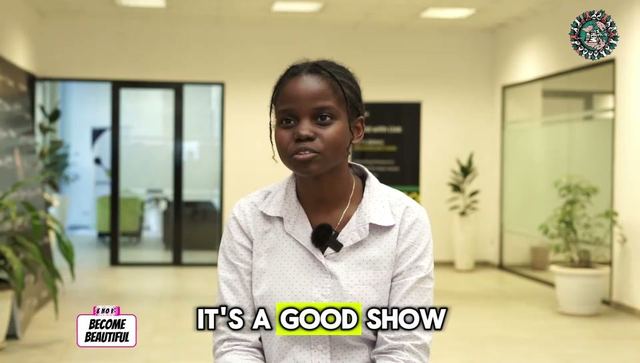
0:06BWe are at Howard University.
0:08AFor what event?
0:09BFor the Black Blockchain event and pitch competition.
0:15AOkay, excellent.
0:16BSo, um, it’s an awesome experience. I had the opportunity to share what my company Made Investment Group is doing in the tech space. Um, with Pro Se Innovations, um, application for incarcerated people, giving them the legal access to file legal motions electronically. So I’m being interviewed and I’m giving a spill to let Black people know that we need to support each other in more of the community aspect and less of the materialistic, um, I’m better than you aspect. The prison community is a still community, which means they have time to educate themselves. They have time to change their financial behaviors. They have time to change their perspective on life and money and relationships.
1:07BAnd Pro Se Innovations tablet is opening the door for them to network and, and create a pathway for them to be able to come back into society in a more impactful manner, whereas though they can prevent the next generation from making the same mistakes they did. I mean, I did 12 years in prison, so I have the full understanding and experience on how to make a meaningful change while I was incarcerated. First, understanding the law, becoming a paralegal, Then nurturing the right relationships, you know what I mean? Prison politics is a thing just like street politics. So if you can survive one, you can survive the other one.
1:55BSo I became, uh, a conduit for understanding how law can open up doors for people that had the door closed on them through breaking the law. You got any questions?
2:13AYeah, don’t worry, I’m listening. My neck is still bothering me, and I’m -- yeah, don’t worry, I’m just on my edge a little bit. But yeah, I’m curious how -- what did it mean for you to be a conduit, like conduit after your time in prison? Is that what you’re referring to, or during your time in prison?
2:25BBoth.
2:26AOkay, so say more about what that -- what that looks like, what that means.
2:29BSo my conduit, being a conduit during my time in prison, mainly consists of the ability to first of all be literate In technology, in, in comprehension, in math, in every aspect. So I was able to help more than damage. When I was on the street, I was bringing about more damage than help. Help to myself, help to my community, help to my family. I wasn’t bringing that because I was promoting damage. And then when I got incarcerated, I done seen how much damage that’s been done to people beyond the damage that was done to me. So now I made a conscious choice. Do I want to remain damaged or do I want to help repair?
3:16BSo I educated myself to the point where I became a bridge to be able to help people repair. I became a safe space. I became an influence, you know what I mean, to the ability That people sought guidance and information from me, you know what I mean? Spiritual guidance, because I’m a Christian, I’m a believer in Jesus Christ as my Lord and Savior. So first the spiritual guidance and then the transformation, because people knew me from the street. They was able to be like, yo, you came in here and you, you’re not gangbanging, you’re not Muslim, you know what I mean? You standing on the principles that most people run from when they become incarcerated.
3:56BOr they run to for the safety measure. I stood on my own, you know what I mean? And that helped me bridge gaps between characteristics and groups of people that ordinarily would be at odds, you know what I mean?
4:13AMm-hmm.
4:13BSo being able to educate somebody, being able to show empathy, being able to, you know what I mean, loan -- I didn’t lack for nothing. I put my skills to use, you know what I mean? So it always afforded me the ability to have, whether it was commissary, whether it was stamps, whether it was soap, cosmetics, food, whatever the case may be, phone time, you know what I mean? Like, I always had the ability to acquire and give. One thing about prison, whether you Hispanic, white, any other, um, ethnic group They unify. Blacks unify to a certain extent, but we also bring more damage within our unification because we unify for the wrong reasons, you know what I mean? So being a conduit in that --
5:03AWhy do we unify? Like, what reasons do we unify? And what, you know, what, what, why should we be unifying?
5:07BSo in prison, they unify for more of a protection status. If you Black, or if you from this area, or Or you from this hood, you know what I mean? You unify. And the same things that cause chaos on the streets through being from a certain block or being from a certain area cause the same damage in prison.
5:28AMm.
5:28BSo if you from this area and you go into jail, you’re going to gravitate more towards the people that’s from the county, city, or block you from, you know what I mean? You’re always going to have opposing entities within that structure.
5:43AMm-hmm.
5:44BAnd they don’t unify to become one unit. They only unify in those sects to go after the same people that look like them, you know what I mean? So they’re, they’re, they’re, they’re bringing the streets into the prisons, and then when they come home, they bring in the things that happen in the prison into the streets. That’s why the rap culture and the, the, the Black culture, hip-hop culture Um, perpetuates the stigmas of both societies in one culture, you know what I mean?
6:19ABecause a lot of people, it’s the same thing.
6:21BIt’s one and the same thing. And, and, and, and becoming a conduit of that change on the outside looked like me being an electrical engineer at Amtrak making 6 figures, having a, a logistics company, a successful logistics company, partner, partnering with, uh, uh, uh, uh, Army veteran, having 2 partners of Hispanic background and one of, uh, Bangladesh background, you know what I mean? Being able to bridge the gap, them being in their late 20s, me being in my 40s, you know what I mean? I’m a conduit no matter where I go because I understand the language of success.
7:03AMm-hmm.
7:03BI understand the language of, of putting people in position to exemplify their greatness. I already know I’m great. I don’t need nobody to tell me I’m great. You know what I mean? So being able to walk in my greatness and exemplify someone else’s that may have been in the shadows, that speaks volumes and that opens up a level of trust and and growth between both entities.
7:31AOh man, actually, that’s remarkable. I really appreciate you sharing that. I think that was, that was very insightful. I think a lot of people wouldn’t really understand, you know, what the experience of prison is like and how, you know, like how those environments come to be connected, like you said, inside of the social environment, right? Because it’s the same social group of people, but across different environments where they have different positions of power, where they have different freedoms, they have different capacities to exert agency, to coordinate, to do things, right?
7:59BAbsolutely.
8:00ADifferent constraints.
8:00BAnd you have to be mindful of --
8:03ABut navigating the same politics.
8:04BExactly. Understanding the undertones and understanding the nonverbal cues that happen in those environments that don’t necessarily happen in the outside environment because it’s less hostile out here unless you put yourself in a hostile environment. There you already in a hostile environment.
8:23AYeah, from day one.
8:23BYou know what I mean? So you volunteered to be in a hostile environment. So now you have to understand the language of the hostile environment, and those become social nonverbal cues that need to be picked up on.
8:38AA culture.
8:38BExactly.
8:39AYeah, and how you navigate that culture effectively, given what everybody’s trying to do. Everybody’s trying to navigate, survive.
8:43BExactly. And we allow big entertainment to, to monetize that environment While excluding us. They using us and excluding us at the same time because they’re not paying you enough because you’re the focal point of the environment. And 2, you don’t own what you perpetuate.
9:06ASo, you know, in between the theater. Exactly.
9:09BYeah. So, you know, I mean, like, we, we gotta do our due diligence in understanding the need to Respect each other’s ability to be themselves and exemplify the change that can financially benefit us from being on one accord.
9:36AYeah, that’s remarkable. I, um, I have to run. I have to be on a Zoom call pretty soon.
9:43BI appreciate your time.
9:44AWell, before that, before -- don’t worry, I got like 2 more questions.
9:46BAll right, cool.
9:47ASo Uh, how do you perceive the relationship between like crypto and inflation?
9:51BHow do I perceive the relationship between crypto and inflation? I believe that crypto can kind of dispel inflation. I believe crypto can -- has the ability to ferment. You know, when you mix in Alcohol, right? When you making -- they make something called hooch in prison. They put all these ingredients, but the main thing is time to ferment, to build. So it’s constantly swelling, you know what I mean? It’s not being inflated with things that don’t belong there. It’s being inflated with things, the proper ingredients to grow and be profitable for distribution. So I believe that crypto kind of dispels inflation the way that the dollar, um, benefits from inflation, if that makes sense. Yeah.
10:52AAnd then I guess if we were to see hyperinflation in the success of Bitcoin, per se, what do you think, um, that would mean for everyday Americans in the working class?
10:59BSo if it was hyperinflation, I mean, it was done on purpose, you know what I mean?
11:04ASo I think You think hyperinflation is always deliberate?
11:08BNot always. It can be, it can be influenced deliberately, but I don’t mean -- I don’t think that it’s always deliberate. I mean, it depends on who is, is becoming inflated or hyperinflated by. That’s, that’s the real catch. Who is causing the hyperinflation? And is it disproportionate or is it distributed across the masses?
11:41AOkay. And I guess for me, you know, studying crypto the last couple of years, I’ve come to understand inflation to be right. They print more money and we don’t get to print money. We got to go to work, which means that the money we earn going to work is going down in value.
11:52BAbsolutely.
11:52AAnd I spent, you know, 3 months in Nigeria and there they have hyperinflation. And my friends there are telling me, you know, hard work means nothing in Nigeria. You can work 80 hours. And you’re still going to be hungry, broke, and wondering, should I get internet, power, or something to eat? And fuck, I’m not supposed to be at work tomorrow. I’m supposed to be at work right now.
12:08BWhat bothers me about that whole thing is that the lack of unity across, across borders. So if we want to hyper -- we hyperinflate the Black culture, but we don’t own the Black culture because we’re not making money off of the movies and the things of that nature. We don’t own all the talent that’s sitting in a prison. They have no way of getting that out. They have no access to people that can put another person’s life on a big, big screen and actually make money off of it, you know what I mean? So we kind of cut ties with certain things that allow us to monetize everything that the Black community is capable of being, but we give everybody else access to it, you know what I mean? So that’s, that’s what, that’s what stifles us, you know what I mean? If we hyperinflate our own, then we could keep everybody else out, and we become that fermented alcohol that everybody want a cup of, and we set the price for it.
13:16AAmen. And I think that’s, that’s the real, that’s the real sovereign money.
13:18BExactly.
13:19Awe put value on a culture, we really are able to build infrastructure that allows us to like commodify, own, and hold on to, right, in the long term, in perpetuity, and even accrue value on the scaling, the building of culture, as opposed to, you know, putting hours, energy, you know, people’s whole lives into the culture, you know, just to die with nothing.
13:37BSo I think that a lot of things are planted within our culture as far as to scare us off. Oh, don’t invest in Nigeria. There’s -- they, they like to scam. Or don’t invest in this country. They like to, um, forge documents or things of that nature. So they kind of keep us from communicating at the surface level to be able to invest in each other. And once we have the comfortability and the trust to invest in each other, we’d be untouchable, bro. We’d be untouchable. Oh yeah, yeah.
14:12AI like that. And somebody earlier said, you know, when are we going to stop doing Christmas and start coming together as a family once a year, a couple of times a year to invest in something new and see how it goes for the next 365?
14:22BI look at, I got a guy by the name of James Pitts. He runs, he runs a page on Instagram called American Felon TV, and he’s doing some amazing things. And he has over what, 70,000 followers. And I was like, wow, well, why he can’t run a campaign where every follower invests 50 cents to a dollar into his platform so that he is able to provide the necessary information and infrastructure for incarcerated people to reenter society on a more positive note? But he working 2 jobs, you know what I mean?
15:03AYou know him?
15:03BYeah, I know him personally.
15:04AI will help him do that. I set up -- I use, uh, this platform called Fractured Atlas. I have over $100 a month coming in in donations. platform. I spend about $1,000 a month paying my team. So my goal is to, you know, get to the point where my team is self-sustained and We Them Media can run without -- with me or without me. Exactly. Um, but like you’re saying with him, for -- he could say 50% goes towards those resources, 50% goes towards maintaining our platform, and even getting him into this where he can actually commit, leave one job, pay himself to show up to this thing and give it 50% of his energy, right? Because that would transform the business realistically.
15:32BYo, that is amazing. And I don’t have a problem connecting you two. One thing about connection is a lot of people want to control their connection. They don’t just want to introduce you and leave it at that. That is another issue within our community. I want to control who you are tapped into if I made the introduction. All communication has to go to the person that introduced you to them or to me. You understand what I’m saying? I just like to introduce and let you guys build up your own relationship.
16:00AAnd I’ll do it. Don’t worry.
16:01BNah, I got you. I’m gonna hold you to it.
16:03AYeah. And then my last thing is, uh, if you could ask people around the world one question, what would you ask them?
16:07BI’ll ask you, what is more valuable, having money or having access to money? And do more research on becoming leverageable. If you have an asset, whether a home, whether a trust, whether bonds or stocks, Learn how to leverage it. Insurance policies. Learn how to leverage it. Be more leverageable because that’s what makes you bankable.
16:39ABankable, bankable, bankable. I got a friend who likes that. He has a bankable.eth. You know what BankerBot is?
16:46BNo, no.
16:47AIt’s like where people can deploy tokens on Twitter, on Ethereum, on Base Network, Coinbase’s.
16:51BOh yeah, we’re going to stay tapped in, bro, because you’re about to educate me to a whole nother level.
16:55AYeah, I mean, I’ve mostly been building in like the developer ecosystem on Ethereum the last couple of years. Traveling, getting to meet people who are building an ecosystem, but thinking about it from their own local context.
17:04BRight.
17:05ASo it’s been pretty cool, but it’s the only Black organized conference in North America happening every year. So I try and be here. Yeah.
17:10BThat’s why we came. I had to make it like I could be here.
17:13AYeah.
17:14BAnd it was worth it. You know what I mean? Because when you spend too much time at work, you miss opportunities like this. You know what I mean? The networking and the building and the relationship building is the start of a whole new community because now you have somebody to refer somebody to.
17:27AMm-hmm.
17:28BOn every aspect, you know what I mean? In every field. So that’s the important part. And I think that’s what other ethnic groups have use of over us. In New York City, where I work at, you got the Hispanic population that has an answer for every problem that they encounter within their community. The Jews have an answer to every problem that they encounter in their community. We don’t have that. We got to go hire one of them to fix one of our problems because somebody that looks like us may charge too much or they may want more than what is -- than what the job is worth. So I just think we count each other out by the lack of access and information we make available on ourselves.
18:18AAnd then I appreciate that. And then my last question, I used to have a podcast called We Them Niggas, and so I’ve been asking people, we them niggas or nah today?
18:26BNah.
18:29AOkay, talk about it.
18:30BNah, we not. Um, we are educated entrepreneurs making a change in society, you know what I mean? We not niggas no more. We are forced to be reckoned with. We are intentional about We are learning, you know what I mean? We’re not ignorant, we’re not stupid. We are on a mission to become great and unionize our ethnic group as Black and brown women and men.
19:02AAnd what does nigga mean to you?
19:05BUm, right now it don’t mean anything. It doesn’t have a meaning. I haven’t attached a meaning to it to even give it thought in my brain. You know what I mean? It doesn’t equate to anything so that therefore it doesn’t have value.
19:28AIs that always how you felt about it?
19:31BNo, it’s not. It’s me being mature at the age of 40, understanding that that word does more tearing down than it does building up.
19:42ADoes more damage, like you were talking about earlier?
19:44BYes.
19:46AAnd when you say that, what’s that damage look like?
19:48BThat damage looks like a person that has hyper insecurity levels within who they are characteristically. So it’s just a provoking way of thinking emotionally Emotionally giving yourself the ability to, to crash out, as the younger generation would say.
20:21ASo you feel like it’s like an impulsive person?
20:24BIt’s impulsive, it’s demeaning, and it is devaluing of a person of deep melanated Skin.
20:37ALook at that. I guess, uh, you know, I’ve been talking about it, you know, it’s very -- at least my name, my podcast, right, it was obviously very contentious. Um, and this being a Black event, I’ve been taking time to ask people, right, what they say. People say yes, people will say no, you know. It’s been -- I’ve been appreciating hearing different answers, right? But I know for me, you know, I heard it in an affirming way in music when I first started to encounter it. YG songs, probably the first time I heard that word in like an emphatic way.
21:00BYeah.
21:01AAnd mom was like, turn that shit off. She didn’t say it.
21:03BShe didn’t say shit.
21:03AShe just cursed. But, you know, I’m like, okay. But I feel like for me, it’s come to be like not this term of endearment. People say this white nigga did that, the Chinese nigga did that. People are Chinese person, right? They’re saying person at some degree, right? So like their meaning is kind of -- the meaning of this word is fluid and different for so many people. It’s also relative. And I guess for me, I’ve been sitting with what does it mean to me? And I feel like it’s the only term that really does some justice of encompassing the fact that I’m a person who’s descended from people who were enslaved in this country. You know, like, that’s what that word is tied to, right? It’s that history. And I say I’m Black, you know, but you’re not really saying implicitly I’m somebody descended from that stuff, right? There’s no -- the same history isn’t tied to that. There’s like, you know, civil rights movement, all these things, Black Power. But, you know, there’s no power tied to that word. Absolutely.
21:47BIs -- is -- I think your use of it is very provocative, and it’s very -- it’s a surefire conversation starter. Yeah, it’s going to cause someone to use their brain And provide you with an adequate response, whether it’s connected to Foley, excuse me, or whether it’s connected to intellectual response, you’re going to get something from them. And with that something, that there turns into information, data, you know what I mean? Which makes your podcast very valuable.
22:22AI appreciate that. My platform, right? I’m not doing that podcast anymore. Now I’m just Maceo the reporter.
22:28BYeah.
22:28AYeah. Citizen journalist. Yes.
22:29BYes, absolutely.
22:30ASo, no, but I -- yeah, so I guess I’m, I’m just on a mission to help people understand what this inflation means for people navigating poverty and to really promote conversations which help us better, uh, understand one another, recognize one another, understand, you know, the histories we’re living through today and have been living through as families, right? And I think so much of the way the world is set up today, we’re almost distracted so much it’s hard for us to even maintain knowledge of self, let alone knowledge of the other.
22:55BI agree with you 100% on that. And I believe poverty was not current-based first. It wasn’t currency that caused poverty. It was the lack of information that caused poverty, the lack of resources, the controlled environment of slavery caused poverty. It wasn’t the lack of, of currency because at that time they didn’t have no money either. They was bartering. You know what I mean? It was bartering cotton for, for alcohol. They was borrowing alcohol for meat, you know what I mean? They was bartering spices and things of that nature. So it wasn’t about money, paper money, you know what I mean? I believe the lack of knowledge was the start of poverty, you know what I mean? And we didn’t always live ignorantly or unknowledgeably when we was in our founding countries or founding tribes or our founding way of life, you know what I mean? They colonized us to the point it’s like domesticating an animal. You can’t teach it everything you know. You only teach it what you want it to do.
24:04AYeah, in order to control it.
24:05BExactly. So that’s where poverty started to me.
24:10AI mean, I agree. I think, you know, they don’t want us to know what stuff is. That’s why I went to There’s like a Federal Reserve Museum in Philadelphia, and I was working a job next door fundraising for public media, WHYY NPR. Yeah, and they have an exhibit in there like, what is money? And they define inflation as the rising price, the rising price of goods and values or goods and services, period. At a museum, an American-funded event, this facility about money, the definition is the value of goods going up.
24:39BWow.
24:40AI’ve never seen propaganda so real in my eyes. I know, right? I said, wow. See, they have the, they They want me to come in here and learn the wrong stuff.
24:49BExactly.
24:49AThat’s poison.
24:50BIt is. They want -- they poison our community in so many different ways that, you know, I mean, it’s hard to unlearn it. It’s almost to the point where we poison ourselves. They got a Chick-fil-A right here and McDonald’s across the street. Exactly. They could have put a Black healthy catering company in that spot, but no.
25:12AThey could have had some elite Habesha food right here, baby.
25:15BExactly. They could have had some halal food in there, you know what I mean? So it’s just, we just gotta wake up, you know what I mean? And it’s not that we sleep, it’s that we choose to be ignorant because we don’t think we have the ability to change it.
25:28AYou know Ibrahim Traore?
25:30BNo.
25:31AHe’s like the, the leader of Burkina Faso.
25:33BOkay.
25:33AAnd he said that Black people, uh, I saw a video of him, he’s speaking in French. He speaks French, right? And he was saying like, we don’t want to -- we like resent knowledge, or we, we resist knowledge. And that’s our whole problem, is that God offers us all this wisdom and we reject his potential for us because we’re committed. Like, that’s pretty much what he said.
25:52BSo can you remember being, uh, younger, growing up in Philadelphia, um, where we used to say because you were smart, you was white?
26:00AYeah, yeah, of course.
26:01BYou understand what I’m saying?
26:02AYou hear me? Me? Yeah, talk about me.
26:05BSo So look at the stigma we perpetuate. We telling a Black person that you’re acting white because you have knowledge. That’s backwards. So we give away our knowledge, our intellectual property, our concepts, our inventions. We give that shit away because the Black person standing next to me don’t value me as a Black person. Because I created this. But yet if they get in a jam, they knocking on my door for help.
26:38ATalk about it. You have a message for the world?
26:42BMy message for the world is learn about it, experience it before you let another person’s opinion direct your path of thinking.
26:58APeace. Peace.