We Them Media logo We Them Media Community-made Back the work →

A Lisk ambassador on teams, equity and failing.

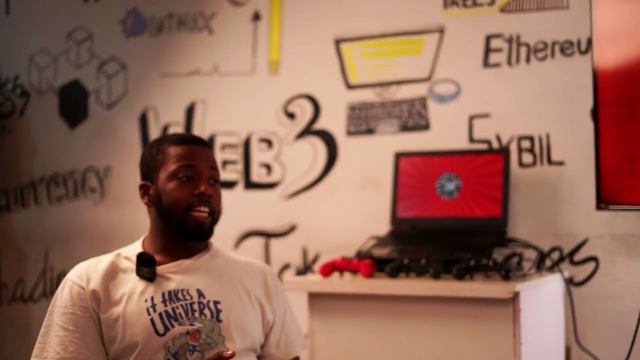
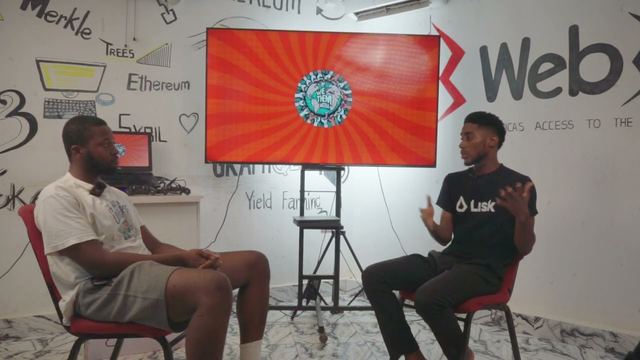
Four minutes at a Lisk event in Abuja with one of the organizers, asked how long he has been at this and what has been hardest.

He introduces himself as an ambassador for Lisk and as a working developer: “I’m also a software engineer”, and “I’m a blockchain dev.”

The timeline comes in two figures, since he counts building and using separately. As a builder, “roughly over 4 years”. As a user, “But as a user? Okay, 7, 8 years.” The earlier stretch was the NFT run. “I was more of the NFT guy”, he says, “Going Discord groups, all of that, uh, hunting airdrops, if you may say.” That ended with the certification. “I switched to building, uh, full-time after I got, um, certified as a software engineer.”

Asked how the four years have gone, he does not dress it up. “To be honest, it’s not smooth”, because “once in the Web3 space, you constantly learn”, and “whatsoever technology you know today, before tomorrow morning it might be obsolete.” What he counts as the return is not money. “the journey has been full of ups and downs”, but “it has been rewarding for me in terms of the knowledge I’ve been able to gain”, the people met online and in rooms, and the projects he has contributed to. Lately the work has moved: “now building the human side of things”, and “So it’s now all about the human layer.”

The most useful answer is about the hardest part of building, and it is not the expected one. “For one, I’ll say mostly getting the right team”, he says. “some people say funding, but I don’t, I don’t believe so.” The distinction he draws is between a skill existing and a person being available: “it’s good to have someone that has the skill, then it’s another thing to have that person on your team.” His conclusion: “always having the right people on your team is far more important than anything.”

Pressed on why that is hard, he lays out the economics. “It means that people are busy. People have different things they are pursuing.” Startups pay equity while employers pay cash, and a working product needs “not just as devs but as, um, people that write your documentation, the writers, the designers”. Hold that group together long enough and it becomes a new problem, because “they will gain more skill and then they will definitely want to fly”.

His advice to teenagers is about time horizons: “Don’t seek immediate rewards”, “focus on the long term”, and failure is expected. “it’s okay if you fail. I fail. Everybody fails.” The instruction he ends on is a developer’s: keep trying, keep debugging.
What is in it

Jump straight to a moment.

Transcript

Transcribed and speaker-separated with AssemblyAI from the original audio, so nothing is masked. The letters are the model's speaker labels, not names; fillers are dropped by the model. Names corrected. Published in full so it can be read, searched and quoted. Search every transcript →

0:00AHello everyone, I have one of the organizers. Let’s meet you. What’s your name?

0:05BOkay, um, hi guys, my name is Etete Tok. I’m a LIX ambassador. I’m also a software engineer. Okay, so it’s great to be here. I’m a blockchain dev.

0:14AOkay, nice to meet you. So how long have you been in Web3 space?

0:17BUh, roughly over -- as a builder? Yes, roughly over 4 years.

0:21A4 years.

0:22BBut as a user? Okay, 7, 8 years.

0:25A7, 8 years. What were you doing in the previous 3 years?

0:28BUm, prior to then, I was just, um, joining. Then there was the NFT hype thing.

0:33AOkay. Yeah.

0:34BSo I remember the Abominable guys. I was more of the NFT guy.

0:37AOkay.

0:38BGoing Discord groups, all of that, uh, hunting airdrops, if you may say. Yeah. But then I switched to building, uh, full-time after I got, um, certified as a software engineer.

0:49AYeah.

0:49BYeah. So I switched to Web3 instantly.

0:52AOkay, that’s cool. And how has your 4 years in Web3 been?

0:56BTo be honest, it’s not smooth. Yeah, it’s not smooth because, um, once in the Web3 space, you constantly learn.

1:03AOkay.

1:03BSo whatsoever technology you know today, before tomorrow morning it might be obsolete.

1:08AYeah.

1:09BSo you have to stay updated.

1:10AYeah, true.

1:10BSo, but the journey has been full of ups and downs, but the, the joy is that it has been rewarding for me in terms of the knowledge I’ve been able to gain.

1:19AYeah.

1:19BThe people I’ve been able to reach Not even physically, but people have been able to meet in the Web3 space both virtually and physically. And the number of projects I’ve been able to contribute to, and now building the human side of things, it’s been amazing. So it’s now all about the human layer. That’s what LIX is doing.

1:39AOkay, so what has been your biggest challenge as a builder in Web3?

1:42BFor one, I’ll say mostly getting the right team. For me, some people say funding, but I don’t, I don’t believe so. For me, it’s about getting the right team because it’s good to have someone that has the skill, then it’s another thing to have that person on your team. Okay. So in my experience, always having the right people on your team is far more important than anything.

2:10AOkay.

2:10BSo that’s the highest challenge I see.

2:12AOkay. Does that mean that the people who have this skill are not willing to work for free, or what do you think is the major challenge that you’re bringing up?

2:18BIt means that people are busy. People have different things they are pursuing.

2:23AOkay, okay.

2:23BSo you might be interested in a project, it’s a good project.

2:25AOkay.

2:26BBut then most times for startups, you do equity. So people want money.

2:30AOkay, yeah.

2:30BAnd then they have this skill that people are ready to hire them.

2:33AYeah, people.

2:34BSo, um, they would easily opt for, um, cash than equity.

2:38AYeah.

2:39BAnd then this brings a challenge because to actually have a good functioning product, you need a lot of skill sets, not just as devs but as, um, people that write your documentation, the writers, the designers. So getting all these people together for a long time, uh, is a challenge for any builder, okay? Because they will gain more skill and then they will definitely want to fly, okay? Uh, that’s it, okay?

3:03AAs an OG, what would you tell to the younger generation, people who want to come into Web3, people still in high school, teenagers? What would be your advice to them?

3:10BOkay, I would say put up the good work. Keep pushing. Don’t seek immediate rewards because when you seek immediate rewards, you will get the immediate reward, but you lose out on something more rewarding. Okay. So focus on the long term. Keep doing it. And then there’s -- it’s okay if you fail. I fail. Everybody fails.

3:31AYeah, true.

3:31BBut don’t stop there. Keep trying. Keep debugging. You’ll definitely get it working.

3:36AOkay. So if you want to reach you on your socials, how do we get in contact with you?

3:39BOkay. I’m bullish on X. Okay. You can find me on X, TTTalk, or my username is @bullishbullish. Em underscore Etok.

3:47AOkay.

3:47BAnd also I’m live on LinkedIn.

3:49AOkay.

3:49BEtok.

3:50AOkay. Thanks for coming.

3:51BThank you very much.

3:52AYeah, I appreciate it. Thanks, man.

3:54BYeah. You know. Yeah, that was good, man.

3:56AThanks.

More from Nigeria desk.

The whole project →