We Them Media logo We Them Media Community-made Back the work →

Four months that took a Web2 developer apart.

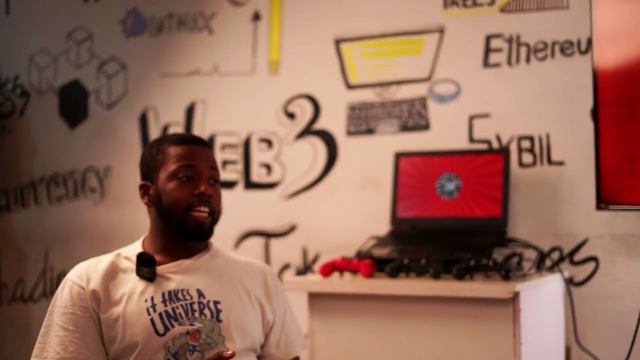
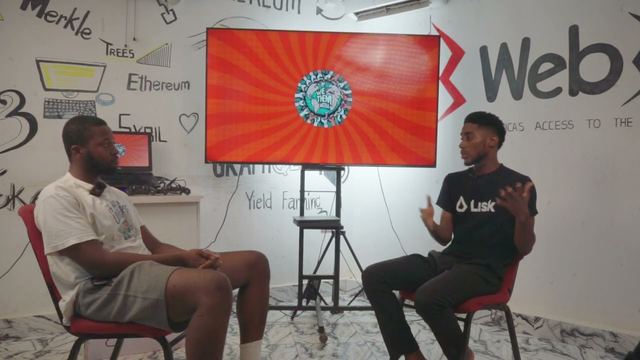
Four and a half minutes in Ikorodu, Lagos with a developer at the end of Web3Bridge Cohort 12, the fifth episode in the run of short interviews We Them Media filmed as the cohort wrapped.

Web3Bridge founder Ayodeji Awosika opens from the same building, counting the cohort in and out and listing the countries applications for the next one came from.

The introduction is quick: “my name is Ali Onyema Joseph, popularly known as Leo. I’m from Edo State, Nigeria.” Asked for his tribe, he gives the state again.

He came in on a family recommendation. “I got to find out about Web3 Bridge from my brother”, he says, a brother who told him the new web was worth learning and that there was somewhere to learn it fast. He was already a Web2 developer, and the pull was curiosity as much as career: “I’m a man of exploration. I like to explore”, and “I’ve touched so many areas on the web, and Web3 was like still like a mystery to me”.

His case for the technology is about who gets to run things. It is “a way of decentralizing things, making things free for everybody to do things”, so that “everybody can now be their own boss”, their own server, their own computer. His verdict is short: “it’s the next wave, it’s the future.”

The sharpest passage is what the course did to his confidence. “Web3 is very, very exhilarating. It kind of makes you think about your whole stack”, he says, and then the line the tape turns on: “I came here 4 months ago thinking I was good. But then I got here and you broke me down to pieces and then built me up.” He says every developer should go through it.

The evidence he offers is his own year. “my whole experience in the Web3 space started January”, he says. “I came here not knowing anything, and right now I’ve built 2 products like in the Web3 space currently in testing, and that’s like a big win for me.”

What he wants next is a position rather than a job. He has been programming since he was younger, but “I always wanted to be part of the founding guys”, not the person “always coming back from the back”. He talks about “changing the whole scope of things”, building the knowledge base and moving the ecosystem along.

His advice to anyone thinking about applying takes one line: “just pack his bags and come. It’s a great experience.” Then the case for the building itself, made in an inventory: “Give you beds. There’s lights 24/7. There’s data.” What, he asks, are you doing at home.
What is in it

Jump straight to a moment.

Transcript

Transcribed and speaker-separated with AssemblyAI from the original audio, so nothing is masked. The letters are the model's speaker labels, not names; fillers are dropped by the model. Names corrected. Published in full so it can be read, searched and quoted. Search every transcript →

0:00AYeah, my whole experience in the Web3 space started January. I mean, I was not in the Web3 space at all, so I came here not knowing anything. And right now I’ve built 2 products like in the Web3 space currently investing, and that’s like a big win for me.

0:26BHello everyone, my name is Ayodeji Awosika. I’m the founder at Web3Bridge. Over the last five and a half years, we have been training amazing developers in Nigeria and in Africa. Trust me, course twelve was amazing. We had seventy-four guys into the course, thirty-nine guys graduated from the course. They are intense. But then course thirteen is going to be bigger than this twelve course because here we’ve got guys apply from Cameroon, from Togo, from Kenya, from Zimbabwe, from Uganda, and yes, Nigeria is not left out. Trust me, don’t want to miss the experience. Today I’m chilling with Massio and his team at We Them Media. Yeah, speaking with the guys I just finished from the course, make sure you watch that. As we say here at With the Media, in 3, 2, 1, booyah!

1:07CWhat’s up, boss? So can you introduce yourself? Tell us your name, where you’re from here in Nigeria, and your tribe.

1:12AAll right, my name is Ali Onyema Joseph, popularly known as Leo. I’m from Edo State, Nigeria.

1:18CUh, what else? What’s your tribe?

1:20AYeah, Edo State.

1:22CYeah. I’m curious to hear, how did you find out about Web3 Bridge?

1:25AI got to find out about Web3 Bridge from my brother. Um, so I was in school and my brother was like, yo, I’m -- I was a Web2 developer, so my brother was like, yo, come into Web3, it’s like the new web, you know, you need to learn about this stuff and there’s like a place where you can learn this thing fast.

1:42CYeah. Cool, thanks. And why was this opportunity important to you that you came here? You know, you’ve been here now how long?

1:49AYeah, for months. Yeah, so I, I’ve been a guy, like, I’m a man of exploration. I like to explore. So I’ve touched so many areas on the web, and Web3 was like still like a mystery to me, but I was like, let me learn this thing.

2:01COkay, and so now why would you say you think Web3 or smart contracts are important?

2:05AI mean, it’s a, it’s a way of decentralizing things, making things free for everybody to do things, making things decentralized in the sense that everybody can now be their own boss. can be their own server, they can be their own computer and do things themselves. I mean, it’s the next wave, it’s the future.

2:24CWhy do you feel like other developers who haven’t yet ventured into Web3 should explore this as an option?

2:29AWeb3 is very, very exhilarating. It kind of makes you think about your whole stack and your whole knowledge. I mean, I came here 4 months ago thinking I was good. But then I got here and you broke me down to pieces and then built me up. So I feel it’s something that every developer should go for. It’s something I grew up to do.

2:51CAnd so you speak about being broken down and built back up. Really, how would you explain your experience, I guess, with more detail of being a part of this cohort, um, in the community that, that you were part of, you know, participating?

3:01AYeah. Um, my whole experience in the Web3 space started January. I mean, I was not in the Web3 space at all. So I came here not knowing anything, and right now I’ve built 2 products like in the Web3 space currently in testing, and that’s like a big win for me.

3:18CWhat are you looking to achieve moving forward?

3:21ASo yeah, um, you know, I’m more about, um, changing the whole scope of things. I already started learning programming when I was like a little younger, but then I always wanted to be part of the founding guys. I don’t want to be the one learning, always coming back from the back. on the part of the guys that are building and building and building the new things, you know, setting the whole scope and creating, evolving the ecosystem. It’s something I’ve always wanted to be a part of. I think that’s where I want to move towards too, building my knowledge base, moving forward, and changing the scape, changing the whole ecosystem.

3:54CThat’s beautiful. And what would your advice be to someone thinking about applying to Web3 Bridge?

3:59AI would tell the person, just pack his bags and come. It’s a great experience.

4:04BYou come here, you don’t have to cook.

4:07AGive you beds. There’s lights 24/7. There’s data. What are you doing at home? Come here. Come here and just learn.

4:15CAnd then one of the last things we like to do is say booyah in all of our interviews. How do you think we spell booyah with your media?

4:22AYeah, B-O-O-Y-A-H. That’s correct for me.

4:27COkay, okay. Uh, okay, you ready to count us down and we’ll say it?

4:31AYeah. 3, 2, 1.

4:33CBooyah!

More from Nigeria desk.

The whole project →