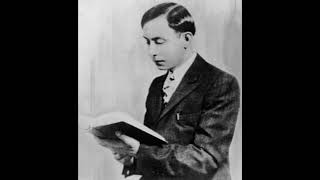
1:17BWhen we see Bob Marley, as I said, he’s very Very happy, sort of hippie kind of figure. He’s a stoner. A lot of people only know about Bob Marley’s music for marijuana, smoking weed, and that kind of thing. So I really wanted to not only get the revolutionary message of what Bob Marley was doing, but also show the historical roots behind it. One of the things that you find in his music is Bob Marley was very influenced by Marcus Garvey. There’s an image of Garvey right there.
1:46CYes.
1:47BSo he was very influenced by Garvey’s message of African unity, African liberation. He was also influenced by the Rastafarian ideology that he eventually adopted and became a part of that religious movement. And again, it’s become so commercialized, and people think of Rastafarians, they think of, you know, people with dreadlocks smoking weed singing reggae, and that’s the extent of what we know about the Rastas. But I point out in the book that was actually a very revolutionary movement. I mentioned In Grenada, there was a Grenadian revolution in which the government was overthrown, and Rastas took part in that revolution. So not only was there people like Bob Marley and Peter Tosh who were reggae artists that were singing about these revolutionary topics, but the Rastas were actually directly engaged in some of the revolutionary activities throughout the Caribbean region.
2:34BAnd this often brought them in conflicts with the governments there. Very often Rastas were beaten by police officers, some were killed. In Dominica, I point out that they actually passed a law where if you were in dreadlocks, the police could shoot you on sight just for having dreadlocks. That’s how hated Rastas became in certain parts of the island. So I wrote this book to point out that behind that smiling, happy image that we see of Bob Marley, there’s a very revolutionary, very angry figure in there that was singing against the oppression of African people. And as I said, Within the Rastafari movement overall, that was a very revolutionary movement, and Rastas, you know, faced severe oppression and repression in the Caribbean for their views.
3:17BSo on that note, I’d like to open this up to discussion.
3:24CYeah, I mean, to, I guess, just talk a little bit about what you said, how people have commercialize them.
3:35BYep.
3:35CBecause I went on a website and it was, it was in relation to cannabis. They have all of these products, um, that --
3:47BLike Bob Marley products?
3:48CYeah, but they’re trying to market it. And so like, I like had mixed feelings about it because it was like, it was, I guess, stock or whatever, but It’s like, I don’t know if that’s really what he promotes, or -- so it makes me kind of wonder, like, do his children -- what, you know, what do they feel? What do they really think about what’s kind of like what’s happening to his music?
4:12BI don’t really know too much about the children and their view. I mean, I know they’re doing a very good job of continuing his legacy, but I haven’t seen any statements about them, whether or not they’re particularly happy with how his legacy has been portrayed.
4:27AYeah.
4:27BBecause, um, one of the things they mentioned in the book is, uh, George Bush’s, um, daughter described her mom as a secret Rastafarian because she listens to Bob Marley. And again, it goes back to Rastafarianism, it was, you know, a very revolutionary movement. So to hear the press -- uh, the first lady of the country being described as a secret Rastafarian simply for listening to Bob Marley’s music, I think kind of undermines what the ideology was really about. So again, it goes back to the issue of just kind of commercializing it and watering it down in such a way, whereas to be a Rasta, you know, just listen to reggae music and maybe smoke some marijuana and just enjoy life. That’s really a powerful difference.
5:05AYes, but I’m arguing, you know, it’s one in the world in music, you know, one in the world. That time, the generation, all the kids, they support him because some kind of music -- I don’t understand very, very English. Some kind of music you talk Africa unite, because unite mean power. Come together, you know, that’s bringing the power because that’s a thing for that. That’s mean come together, Africa unite, come together because when it’s separate, separate, that’s a thing the power. That’s war. It’s more powerful. And then say again, get up standing.
5:53BStand up.
5:54AHuh? Because that’s, that kind of music, they sing like music, but that point have the meaning. Because when you keep sleeping, you cannot see your right, they’re gonna take where you are, the thing you have, they’re gonna take it. Because you see Africa get up, that means open your eyes. You can agree to work with the people from Africa. Africa have a lot of resources in the ground. They have the diamonds, gold, everything. May where you don’t know what you have, you don’t see, they’re gonna get up, they take it. That’s why he music, he have the meaning, because that’s the knowledge what I tell. All music in the Bob Marley is knowledge. You see what go in the world, what go in the world people doing, and what they doing, even teaching the people without it’s not the school. That’s music teaching the people to know something, what crooks on the world they doing. That’s why he’s He took black people, he took the white people, he took everybody to know what you, you write. I think so, that’s more powerful music. That’s why his name go up everywhere.
7:17CYeah.
7:18AYeah, that’s why I don’t read much for his book, man. I listen to his music because I have one friend, he passed away since I’m young. Like eighteen years, he support Bob Marley. When nighttime he sleeping, he put the Bob Marley music in the radio to listen to. He said, “Sawu, do I bother you?” I said, “No, it’s no bother me. I’m not play much on the music. Me what he talking, I wanna hear. It’s not me like all time I play music, I dance. No, me I wanna hear in the message he talking about.” You have the meaning. That’s why everybody support Pranam, because he talk something true. It’s not something like music like that, no. He talk something true. That’s true make power. That’s why everybody like him, what I think.
8:12BI mean, yes, you’re very true. That’s exactly why he was able to gain the international following that he had, because people really connected to that message.
8:21AYeah. That’s it. That’s why everybody loved that.
8:25BWhen he sang about Zimbabwe, the people, the freedom fighters in Zimbabwe really connected to that message. And it was the same throughout the African continent. Wherever people in Africa were fighting for their rights and they’re listening to Bob Marley singing about their struggles, they really connected with that.
8:39AThat’s why everyone loved it. He made it. And yeah.
8:44CI’ve been kind of like a sadness because kind of like what you were saying.
8:48BYep.
8:48CIs, um, because, um, you know, there’s this influx of Puerto Ricans coming to Orlando, and like, I’m sad because, um, there was that event I just left, but it’s like we’re not coming together. It’s like everybody -- yeah, and it’s good to fight sometimes as your race or whatever, but like you said, it’s more -- the power is when we come together.
9:13AYeah.
9:13CAnd I just felt really sad because I know that the Puerto Ricans, they need housing, but we as Black people, you know, we’ve been struggling with the housing issue too.
9:25BYeah, a lot of people have been raising that up.
9:27CYeah, we could come together and stand, I think, you know, like, you know, maybe we should sing, play that song or something. But I just really been really sad, and I just came back from Philadelphia, and it’s a different, a little bit of different feel because it’s a like the Puerto Ricans and the Cubans, they all respect their African heritage. And so they see my struggle as their struggle. And then they give -- of course they give you space to be, you know, in your African space. They also see us as, you know, being together too. And it’s kind of hard. I don’t really see that sometimes here. And I’ve just been kind of sad for the past few days because it’s like there’s so many issues, but you know, you got this over here, that over there, it’s all the same.
10:14BAnd, um, that’s why, you know, Bob Marley’s music, and it’s a very common theme in reggae overall, is he’s always singing about Babylon, that oppressive, corrupt system. And in his book, I try to give a description of what Babylon is because, you know, people, if you’re not really familiar with certain concepts within the Rastafarian movement, you would hear Babylon and not be quite sure of what it is exactly, but the power in what he did in singing about Babylon, he’s able to identify that oppressive system that oppresses everyone. So it kind of does unite people together in a common struggle because you have a common enemy, a common system that’s oppressing everyone, that Babylon system he’s speaking about.
10:54CYeah.
10:55BSo I think that’s how Bob Marley is relevant to what you’re talking about. getting people to recognize that they’re not only oppressed in a very common manner, but the system that oppresses them is the same system.
11:05CRight.
11:08AWhat about Dr. King and Malcolm X?
11:12BYeah, I wrote about them too, but in this book I focused specifically on Malcolm X because he’s been a bigger influence for me. But, um, to some extent they’re Yeah, same thing as Bob Marley. It came with a very powerful unifying message. And the reason why I put a Pan-African flag on this book is because, like Bob Marley, Malcolm X especially was a Pan-Africanist. He spoke about unifying people throughout Africa and elsewhere, and he spoke about building bridges to Africa. Africans here stretching out their hands and connecting with brothers and sisters in Africa. So Bob Marley’s message of African unity One that’s so unique to him, and many people before and after him have come with that message.
11:55AMalcolm X, what kind of message did he give the people?
12:03BPan-Africanism was one of them. Another message he gave was one about self-determination. He said rather than begging people for your rights, you know, you fight for them and you free yourself. You don’t beg. white people or whoever it may be to free you. You free yourself. You know, he was very critical of integration. He felt like you don’t beg people to enter into their house. If you’re, uh, you’re being oppressed and, you know, the oppressor has this house and he’s not allowing you into the house, then Malcolm X’s message was sort of build your own house. You know, don’t, don’t go begging the people that oppress you for freedom or for jobs or to feed you. Feed yourself, employ yourself. So his message was very empowering in the sense that it was a message of self-determination, and it was one that made people of African descent realize that we don’t always have to keep going to white people, you know, to do everything for us. We’re perfectly capable of solving some of our own issues.
12:54ALike, fight to get you say. That’s the message. He message fight to get you say, yeah.
13:01CYeah, there was a young lady in Minneapolis. She kind of said something very similar to that in her campaign. she lost, but a lot of white liberals -- and I guess it was like historically kind of like a repetitive issue -- she kind of said something like, um, we don’t want handouts, you know. And so they were like, oh, she doesn’t believe in social programs or whatever. And that’s not what she said. She was like, we don’t need handouts. We’ll take a hand up. We don’t need handouts. So, so she actually was more revolutionary than what they gave her credit for. And that’s what I was trying to tell them. I’m like, y’all, you don’t know what she’s talking about.
13:43BI mean, Malcolm X is -- I write about this -- he’s very critical of white liberals for the same thing because he found that, um, the issue with some of the conservatives is, you know, they’re completely dismissive, dismissive of the African struggle. And then on the other side of that, you have liberals who tend to approach, you know, the race race problem in a very condescending manner where it’s like, we’ll step in and we’ll take care of you. But it’s not very empowering. It’s constantly having to rely on them to fix the issue rather than us being able to empower ourselves.
14:12CRight.
14:14BBecause Malcolm X, when he formed his own organization, one of the things that he said was he didn’t want white people in the organization because he felt as African people we have to fight our own battles for ourselves. And what he told white people is, if you’re really sincere about fixing the race problem, then work within your own community to fix it. Because that’s the other problem too. A lot of times you find white liberals that want to come into Black communities and, you know, try to take control of the Black communities, but they’re not doing anything to fight racism within their own communities.
14:43CYeah.
14:43BSo Malcolm spoke about all these, and a lot of these issues are still relevant to the political landscape that we have today.
14:48AYeah, yeah, thank you very much. That’s a wonderful discourse here because you know about it, about Malcolm, or you know very good. The Malcolm X, I like them. That discourse I like to hear because they’re truthful, right? They’re talking the truth and they unite, right? Yeah, any truth anywhere is power.
15:11BWhere are you from?
15:12AI’m from West Africa. I born in Gambia. My family is staying in Senegal.
15:19COh, okay.
15:20AYeah, my family is in Senegal, West Africa. Just come, you know. I like, I like to listen to this kind of way, you know, because that’s gonna bring more knowledge, you know. People talk -- these people, they come to go, they’re leaving the message. That’s it. That’s message people need them back. And when people keep reading the book, they cannot see the right. Sometimes the way they don’t understand, they cannot be to When the people understand, they’re trying to put people together. There are some people, they don’t see what the music they singing, they have meaning. A lot of people think so funny, it’s not funny. They’re talking, some kind of music is playing, something to tell the people.
16:05CMm-hmm.
16:05AYeah, to teach you. It’s not music like that. Malcolm X talking, you have belief on the God. Number one, when you believe in the God, you don’t care anything. You’re gonna fight the truth. You have belief, you know only the God can control everything. People trying to put the power, everybody power down. No, when people come together, they’re gonna work with the God because unite bring power. That’s why try. Like you say Philadelphia, they understand. Maybe some people they teach them here. Maybe they don’t get more teacher.
16:48CYeah.
16:49AWhen you see they don’t go together, I’m telling.
16:51CYeah.
16:52ABecause when you don’t get more teacher, cannot see. You know some people, you know Haiti, Africa, all that tell them because they teach you wrong way. They teach me wrong way. They went to keep it. Discussing. You’re gonna see the corruption. You’re gonna take corruption out there. You’re gonna know your brother and sister, brother and sister. That’s gonna -- everybody gonna understand. Even they teach you something wrong, they teaching me something wrong, they tell me, oh, you -- this man doing bad, this man doing bad. You don’t ask him, how you gonna know? You have to ask each other. That’s when the truth gonna come up. Because some people, you know, they say, oh, Africa, oh, they do bad thing there.
17:36AOr they say, oh, it’s not Africa do it. Because people know what problem come from. The way they don’t discuss that, they tell you something wrong. Because the people come from Africa to come here, the people who stay there, they pray for my family back home to really see them. They’re closing the border 100 years. 100 years they don’t open the border. When the first people there, they need to get family back. That’s why a lot of people come from Africa, they stay here, they marry here, they get family here. They think so they come business. No, they come this country to see family. Let’s make more people come from Africa, they’re here now, they don’t know.
18:24AThey don’t know some reason. It’s not business to make money. May first people pray for. They need to catch the family back. That’s why now more people from Africa, they born there, they come here, they marry here, they stay here. Some people born in America now, they go back to Africa.
18:46BGo back to Africa.
18:47AThey build their own house, you see, and they pray upon the God. That’s number one. Anything you do, don’t forget the God, because first people they pray for. That’s why God make you might. That people pass there, may the energy come by. That’s why I told you. There are a lot of people, they don’t know that. May some reason people Born Africa, they come, they stay here. Some reason people born America here, they go back to Africa, they stay there because they know their family, they come from over there. That’s why God making the come together to don’t understand. People born Africa, oh, I’m gonna go America, I’m gonna go America.
19:36ANo, you’re gonna see your family. That’s why you born America. People born in America are going to go back to Africa. They say, why are you born in America? You’re going to go Africa? They suffer. No, they don’t suffer. They have something they don’t know. Because I have a lot of things. They inside the water, they say I need water to drink. Africa have a lot of resource. Why the people born here now, they go there? They say I’m from South Africa. You ask them why I go everywhere, I travel everywhere. When I go any market, I see some white, they ask them why I’m from South Africa.
20:16AWhy? Something in South Africa. Because when nothing going there, nobody can get out here. Why do you go there? You build your own house, you say I’m from over there. You have something yourself there. That’s why now a lot of people born here now, all the fruit of Africa, they look on their own houses. Some people born Africa, they come America, man, it’s Africa. First one they come there, the last one they’re gonna go back there. I’m circle information, I’m say this message, or they’re gonna be back to motherland. It’s the time. All the create control that when the time come, no choice because Africa gonna be very, very nice to live there.
21:09AWhen you have the few thousand dollars, you go Africa, you live there like king, like king. Everybody happy to small money to 800 people, you’re gonna say, no, this is my money. There’s more money. Everybody happy for that. That’s the blessing. Yeah, that’s it. To come together is more important. That’s what Bob Marley said. That’s why Dr. King said. That’s why Malcolm X said. That’s why Frantz Fanon said. Because when you look at them, all they say, wake up. They make people wake up. Don’t be sleeping. You have to know respect yourself. I don’t say don’t respect other people. May have to know yourself, respect yourself, and then respect your life.
22:00BYou can’t really respect other people until you respect yourself.
22:04AThat’s it. Thank you very much. What’s your name?
22:06BThat’s Quinn.
22:07AQuinn Sacco. Sacco International. What’s your name?
22:12CRobin.
22:12Aराजू, आज तो सी यू नो माय इंग्लिश नॉट टू क्लियर। फाइन। ये, इट्स नॉट टू क्लियर। ये, वे अंडरस्टेड यू। हाँ? ओके, थैंक यू वेरी मच। थैंक यू। ये, ये। और आई से डिस्कस हुआ बमार्ली आज वो अग्नि काम दे। कोई माइंड मी माय गुड फ्रेंड, ही लाइक बमार्ली मोर एवरीथिंग। व्हेन आई प May I never forget. Yeah, that’s something good. Thank you very much. Thank you, Brother Minh. Yeah, see you again.