We Them Media logo We Them Media Back the work →

From Crypto with Kamal, by Kamal Hubbard

Adam McCoy on what The Swap is

This is Kamal’s video, shown here with his permission. Watch it on his channel, where the comments are.

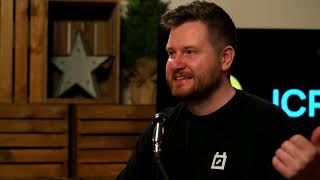
Adam McCoy, of The Swap, describes the media and news organization built in Web3: a way to “show people how Web3 is fun,” covering news, music and gaming on the blockchain, the same things people already do on Web2. He says the biggest barrier to adoption is that “Web3 is a very big stigma for adoption because users are afraid to go into it,” worried about wallets and terminology, and that “the best way to show somebody how to interact with Web3 is to get them to do it.”

The Swap merges sports, media and gaming with real-world events, tying them to the blockchain “and showing people how they can experience them while using the blockchain.” Adam calls it an alternative to networks people may be tired of, built on Web3’s philosophy of digital ownership, so that both the person experiencing content and the person creating it can benefit, “not just one.”

Transcript

Skip the transcript ↓

Spotted a wrong word? Tap its timestamp, then tell us.

Transcribed by We Them Media from the original audio, with Kamal’s permission. Speaker letters mark turns, as the model separated them.

These are the speakers’ own words. We have not checked their claims.

0:04AWhat is The Swap?

0:05BSo The Swap is a media and news organization built in Web3. And one of the main push points that we tell people is we want to find ways to show people how Web3 is fun. We would like to show people how Web3 is entertaining, how you can directly correlate things you do every single day on the blockchain. You can get your news, you can participate in music, gaming, all these different types of things that are a part of the normal social media or Web2 structure. You can have that on Web3. And Web3 is a very big stigma for adoption because users are afraid to go into it. They have all these terms that they’re afraid of. You have to worry about, oh, I got to set up my wallet. I have to figure out how to use the technology and what is a blockchain? How is this one different from the other one? And something that I’ve personally believed since I’ve been involved in Web3 was that the best way to show somebody how to interact with Web3 is to get them to do it. It’s just to get them to participate, get them to use it.

1:15ARight.

Read the full transcript ▸

1:15BFor things to be very user-friendly and adaptable to the individual, and sometimes without even actually knowing that they’re participating in Web3.

1:24ARight.

1:24BIt seems like one of the smartest things. But to answer your question a little bit more, that’s what TheSwap really does is we merge sports, media, gaming, any kind of entertainment. And as I said previously, like going to events, tying all these real-world aspects into the blockchain and showing people how they can experience them while using the blockchain.

1:45AWow, that’s super cool. And I think that people who are looking to have a community. I mean, I don’t even want to use the term mainstream media, but like outside of that whole paradigm where they can get all those things and, you know, they may not want to see a certain network necessarily, or they’re just tired of all the networks, right?

2:07BYeah. Yeah.

2:08AThis is a place that people can go. Am I, am I mistaken on that? Or, I mean, no, you’re --

2:13BYeah, you’re absolutely right. It provides a nice alternative because Part of the ideology and philosophy of Web3 is that it’s all of the people that are there. They’re there against what previously came before, against Web2, against traditional or centralized finance. It’s a new hub, a new version of the internet where everybody can be able to participate. Everybody has rights in digital ownership of assets. And it’s just a new way to be able to facilitate all this amazing and new technology, but interacting and participating with what you were already doing previously. As you said, the things you would normally get from maybe mainstream media or music streaming platforms, as we all know, those are skewed in very many ways that only profit bigger corporations. And it’s only fair that the individual, whether it’s the person that’s experiencing the content Or it’s the person creating the content. It should be beneficial for ideally both parties, not, not just one.

That was the whole conversation.

More from Crypto with Kamal.

Every episode, and who Kamal is →