We Them Media logo We Them Media Community-made Back the work →

Six months after quitting the nine to five.

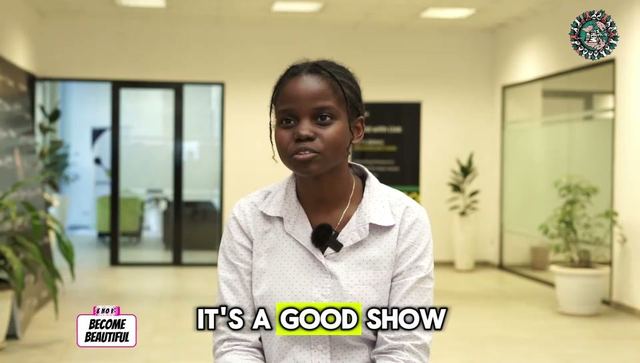
Three minutes with a blockchain developer from Argentina, filmed on the road and starting with a small misunderstanding. The interviewer opens with the channel’s exclamation and has to explain it: “That’s what we like kind of say to exclaim at the end of our content.” Once that lands, the interview starts properly.

“Hola, soy Tomás de Argentina”, he says, gives his age as twenty seven, and puts the change in one sentence: “Six months ago, I quit my nine to five job and I went all in building in blockchain.” What he quit into is a startup, “we are creating a startup called Aqua Zero”, building with 1inch and Uniswap as partners, and the pitch is a repair job. “Liquidity pools today are so broken. So we are making them more efficient.” The fix he describes is a shared pool: “you put your assets and you can provide liquidity to multiple pools in multiple chains simultaneously”, and when a trade comes in the liquidity is injected just in time, “the swap executes, and then the liquidity goes back to the shared liquidity pool, ready for the next swap in any pool, in any chain.”

Asked why he is excited to be where he is, he answers with Ethereum and with home. “I am really, really, really bullish on Ethereum”, partly because he thinks “Ethereum is playing like the long-term game” with brokers and stablecoins, and partly because of Argentina, where he says the country has been “having a lot of inflation the last years”. His conclusion is not ideological, it is practical: “our economy is so broken that we need to find a solution for that, and we find it in stablecoins, in Ethereum.”

The advice for anyone starting is short. “Just enter, come here, build, go to hackathons”, because “hackathons is the best place that you can find and you can learn how to build, not just a video on YouTube.”

Asked the closing question, “what do you feel like is the biggest thing everyday people don’t get about crypto?”, he names the wording rather than the technology. “I feel that there’s like a language gap with like normal people.” Talk about liquidity pools and lending and people get frightened off, he says, while what they are missing is that “a bank will not take your funds off you.” His answer to that is education, and then, on request, one more booyah.

What is in it

Jump straight to a moment.

Transcript

Transcribed and speaker-separated with AssemblyAI from the original audio, so nothing is masked. The letters are the model's speaker labels, not names; fillers are dropped by the model. Names corrected. Published in full so it can be read, searched and quoted. Search every transcript →

0:00ABooyah!

0:00BWhat’s that? That’s what we like kind of say to exclaim at the end of our content.

0:03AI don’t understand.

0:05BSorry. Booyah! It’s like we like it’s like an exclamation, like three two one booyah!

0:09AAh okay okay okay okay. Hola, soy Tomás de Argentina. I’m twenty seven years old. Six months ago, I quit my nine to five job and I went all in building in blockchain. Basically, we are creating a startup called Aqua Zero. We’re introducing cross-chain prime brokerage to DeFi. We are building with Oneinch as one of our partners, also with Uniswap. What is Uniswap? Basically, liquidity pools today are so broken. So we are making them more efficient. How? We create this stuff called the shared liquidity pool, where you put your assets and you can provide liquidity to multiple pools in multiple chains simultaneously. And just when a swap is happening, we inject just in time liquidity, the swap executes, and then the liquidity goes back to the shared liquidity pool, ready for the next swap in any pool, in any chain.

0:09AAnd it’s way more capital efficient than liquidity pools. Why I’m excited of being here in East Coast? Basically because I am really, really, really bullish on Ethereum. Why? Because on one side, I think that Ethereum is playing like the long-term game. They are doing like real business with you know, trade fight companies like for example Wall Street brokers and stuff like that. That they are starting to use and migrate to blockchain technology. Also issuing their stable coins and stuff like that. And also because particularly I am from Argentina, and in Argentina we have been. Having a lot of inflation the last years. For example, from 2020 to 2026, our currency was like just -- I don’t know -- it was just like blowing up.

0:09AYou know, it’s like our economy is so broken that we need to find a solution for that, and we find it in stablecoins, in Ethereum, in different assets that makes our savings and our lives better. So I am like really grateful with this blockchain because of that, and also because I am a blockchain developer for a lot of years and. I don’t know. I just love like building stuff in the blockchain. So yeah, that’s it.

2:12BAnd do you have a message for early builders?

2:13AI mean, just enter, come here, build, go to hackathons. I think that hackathons is the best place that you can find and you can learn how to build, not just a video on YouTube or stuff like that. And yeah, just come here and try it. This industry is amazing.

2:31BAnd I’m curious for you, what do you feel like is the biggest thing everyday people don’t get about crypto? Oh, that’s a good question.

2:40AI feel that there’s like a language gap with like normal people. We start talking about, I don’t know, liquidity pools, lending, like technical stuff that when they hear that, they’re like afraid of crypto. But they are missing like a world of finance that is like so open that you can own your stuff, that you know that, for example, a bank will not take your funds off you. And I think that’s a big gap. We need like more education, you know, stuff like that. Yeah.

3:11BHell yeah. And then can you give us a booyah?

3:13ABooyah!

More from Single dispatches.

The whole project →