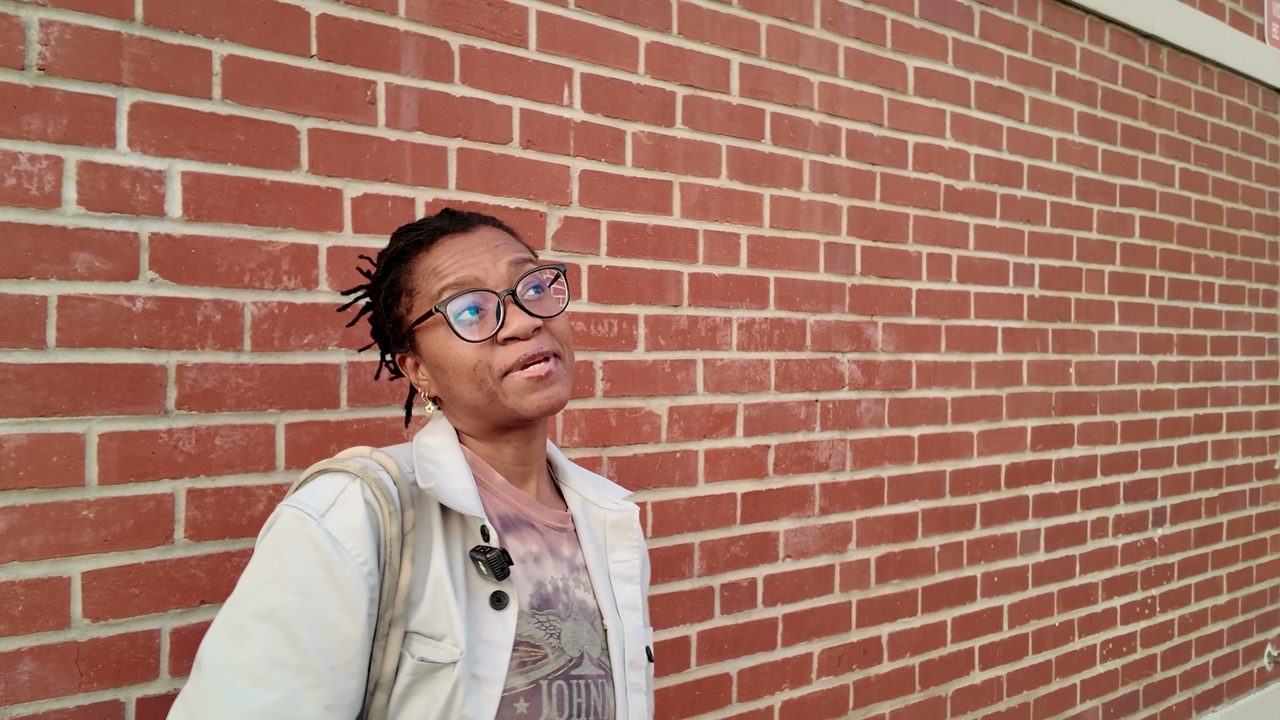
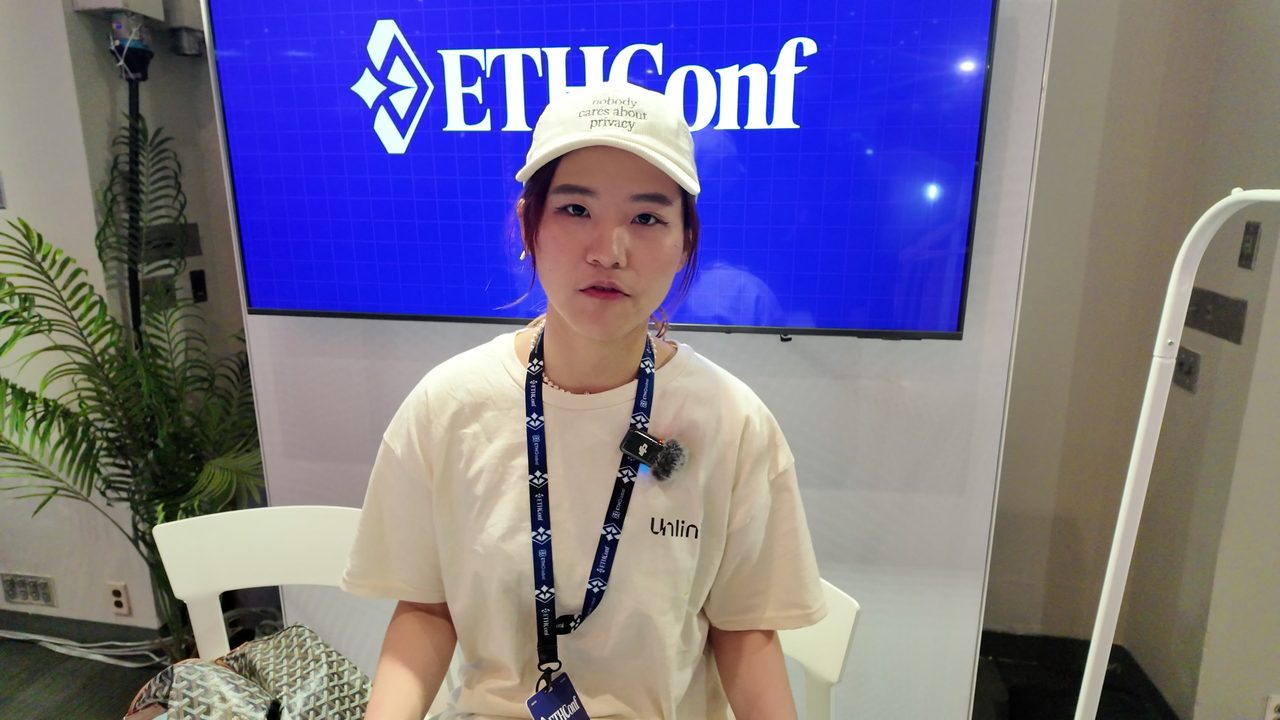
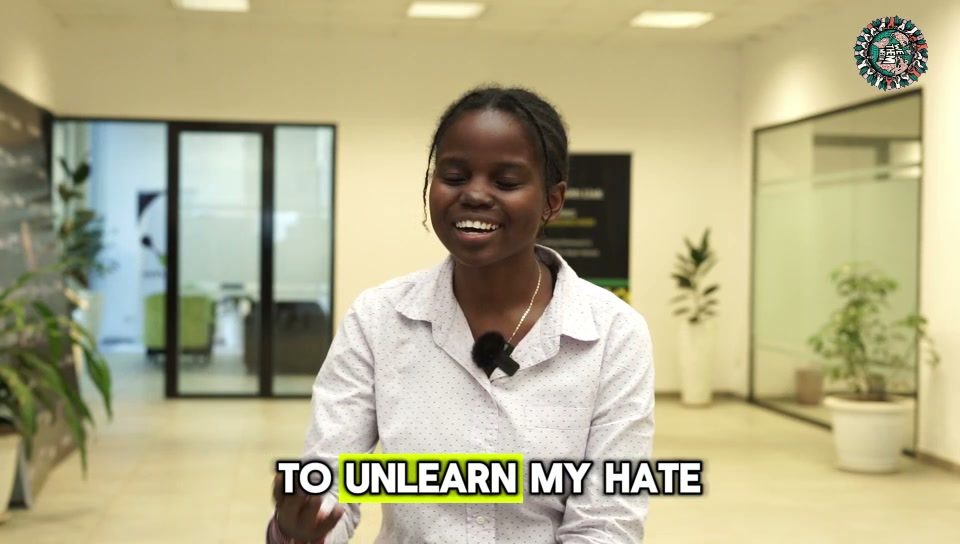
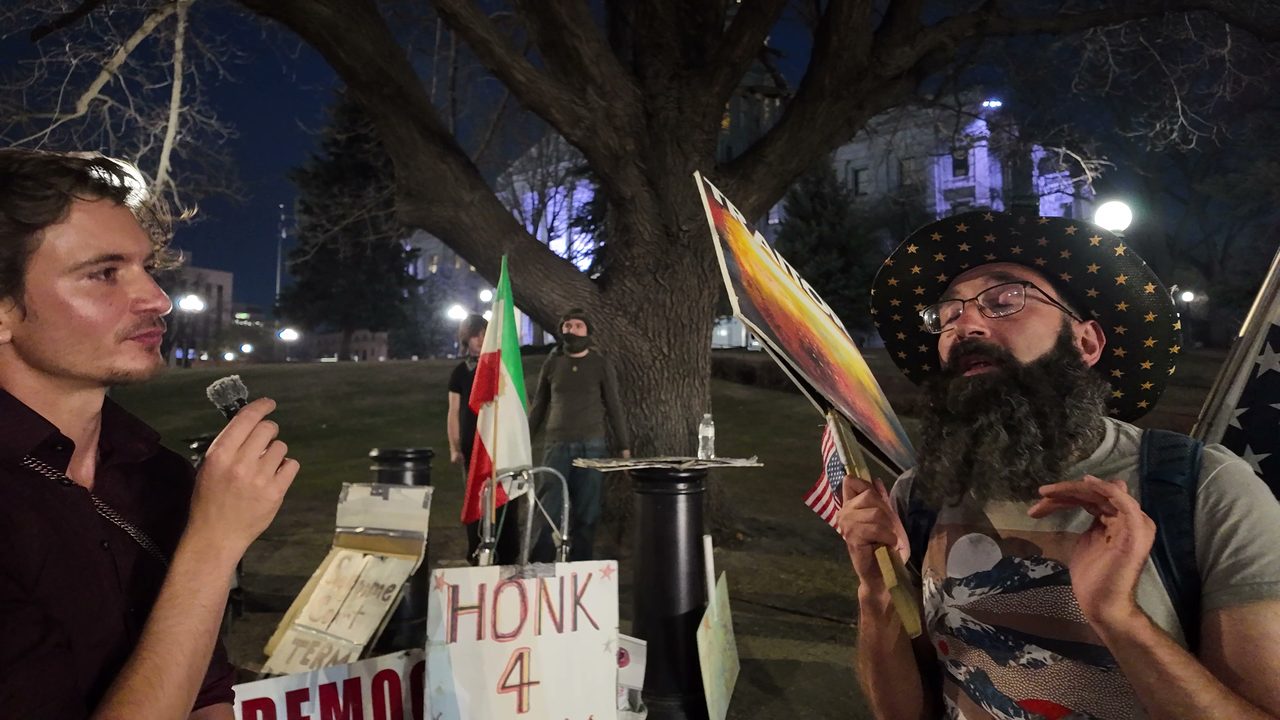
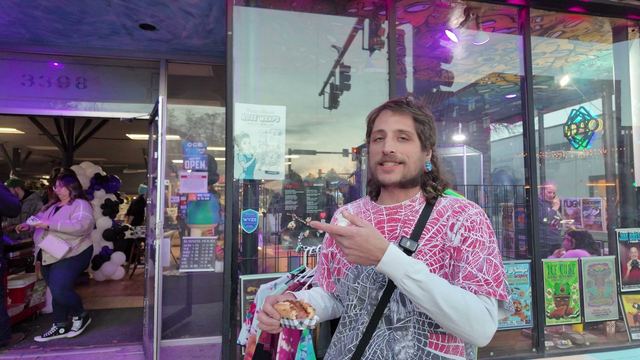
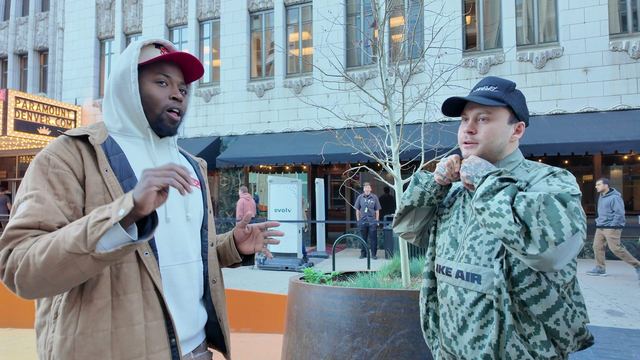
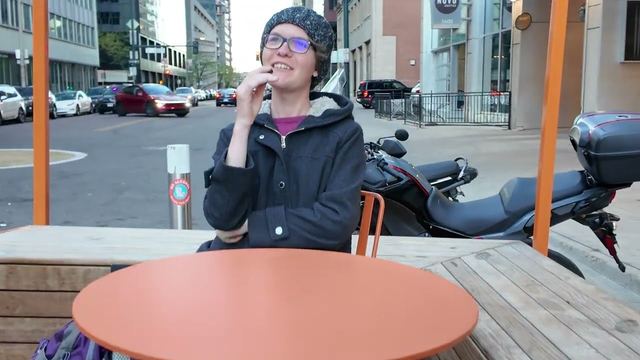
Watch the latest
We Them Media We Them Media Pizza Day TG Subscribe Back the work →
What is missing

We are living inside a fog. It is competing with constructive content.

Most of us are living inside a fog. The information reaching us is filtered, generated, summarized, and reordered by systems we did not choose and cannot see into.

The fog is competing with constructive content, the kind designed to enhance our perception of reality rather than distract us from it. The volume of the fog is rising while our ability to verify what is real is falling. Agency is what we lose when we lose the ability to see clearly.

Journalism, when it is done well, is one of the lenses humanity has built to cut through fog. It surfaces information so we can get aligned with each other, recognize who is in the room, and contribute to one another at the level of humanity. It does that by getting close to the people doing the work and the people most affected by it, by listening, and by publishing what was actually said.

What is missing is the work. Enough field journalism produced by people who live where the story is happening. Enough verifiable provenance to let a reader tell what is real. Enough connective tissue between communities who would otherwise never see each other.

The presence of that missing thing would let humanity move with more agency in a moment when agency is in short supply.

The Mission

Narrative is a public good. News is a public good.

We Them Media is pushing community journalism somewhere new. The idea is, all of a sudden you’ve got a neighbor committed to being your neighborly newscaster. Businesses shutting down, people getting evicted, good deeds, accomplishments, tragedy. All of it. Right? We’re live, we’re shooting, and anyone, anywhere can watch.

The longer version: an intersectional coalition of storytellers building a global, community-funded journalism network. We’re trying to recognize and dignify the people the rest of the industry categorizes, generalizes, or ignores. Narrative is a public good. News is a public good. We’re trying to lead the world in a conversation that brings us closer.

The Community

The “Them” in our name is the people who get spoken about rather than spoken with.

We report from and for communities whose stories are most often told extractively, by reporters parachuted in for a beat they don’t share, or not told at all.

There’s a pattern behind that extraction. It’s colonial, neo-colonial, and corporate, and we don’t pretend it isn’t. Colonialism in particular is the biggest unwritten story of contemporary journalism. We don’t treat it as a single beat. We treat it as a lens through which other stories get reported. George Floyd needed colonial context to be told justly. Biafra needs it. Land and economic questions in Kenya carry the long shadow of British settler structures, even when the day’s news looks unrelated. Eviction in Charlotte needs colonial-and-corporate context. Most outlets leave that context out. That’s how communities end up dehumanized and decontextualized in the same breath. We don’t.

The work is led by an intersectional coalition. African leadership and diaspora leadership form the spine. White collaborators and other allied voices are part of the network on the same anti-extractive terms. Lineage matters. Race-essentialism doesn’t. The question we ask anyone joining us is whether they treat the people they’re reporting about as partners or as objects.

The network is anchored in Africa. That’s where most of our contributor base lives and where the founder has spent the most time on the ground. The immediate work is a strong proof-of-concept across Nigeria, Kenya, Uganda, and Ethiopia. Show the model works, then expand. Latin America may be a later horizon. We’re not committing to a second continent before the first one is properly anchored. The English-speaking diaspora is already part of the work. Expansion comes in stages.

Our team is split across continent and diaspora. Lagos (Gift, Kafani, John Bayode) and Abuja (Bayo, WalkwithGod) in Nigeria. Wuraola also reporting from Nigeria as our active street correspondent. Nairobi in Kenya (Aziz, who reports on-camera as Moto, alongside Fidesio). Philadelphia (Maceo, the founder) and Charlotte (Devin) in the United States. Marissa biking across the U.S. and reporting from a different state each month. The audience: people who want to understand somewhere they don’t live, from someone who does. College-age is the spine. Wuraola is exactly that. So is everyone else on this masthead.

The work is free to access. No paywall. No advertising. The audience we earn is the audience we owe.

The Stakes

We’ve been pacified into complacency.

Most Americans don’t know what’s happening in the rest of the world. When we do know, we’ve been given reasons that are designed to make us feel like there’s nothing we can do about it. So we don’t. That’s pacification dressed up as helplessness.

The U.S. holds disproportionate weight on the planet. Most of us have been set up to undervalue that, because the alternative (recognizing the privilege and the agency that comes with it) would mean using it. The gap between what an American citizen could push for and what most actually do push for is one of the most expensive gaps in the world. Most of that gap is informational. People can’t take action on what they don’t see, and what gets shown to them is filtered by interests that benefit from people not seeing it.

The work We Them Media is committed to is closing the gap. We want the world to be able to say in 2030, “that’s how I knew what was going on.” That’s a ten-year arc, not a quarterly one. Most of journalism is set up for the cycle that ends today. We’re working on the cycle that ends with people having context they didn’t have, and acting differently because of it.

The audience we’re reporting from and the audience we’re reporting to aren’t the same audience. Africa and the diaspora are where the reporting comes from. The whole world is who we’re reporting to, but the U.S. specifically is where the most consequential complacency lives. So the editorial bridge is two-way on purpose.

The Model

Video-first, conversation-led, on the ground.

WTM lives on the same shelf as independent host-led media, Lex Fridman, Channel 5, Zane Lowe, Afropolitan. The closest sibling is Channel 5. Where Channel 5 reports through American-male perspectives, We Them Media is global from day one. Africa, the diaspora, and the U.S. in honest conversation, not one continent’s eyes on the rest of the world. We’re not in the same lane as legacy hard-news outlets and we’re not trying to be.

The philosophy underneath the work is situated knowledge. The position, from feminist epistemology: all knowledge comes from somewhere. The “view from nowhere” mainstream journalism claims is itself a particular position pretending to be universal. Multiple situated perspectives in honest conversation produce a truer picture of the world than any one perspective claiming neutrality. WTM declares its position openly. African leadership, diaspora collaboration, an intersectional coalition reporting from where it actually lives. We don’t apologize for that. It’s a more honest starting point than objectivity pretending it has no starting point.

We don’t just cover communities. We pay people from those communities to develop their own journalism capacity. The difference between coverage and capacity-building is the model.

How it actually works: anyone can post a question to the platform and attach money to it. Storytellers with proximity to the question pick it up, report it, and earn the bounty on delivery. Quality work earns weekly tips on top of bounties. The strongest contributors at the end of each season are retained as lead voices for their regions. Funding flows through transparent onchain mechanisms (a token of patronage on Ethereum via Nouns Builder, plus a durable newsletter on Beehiiv) so readers can see what they’re paying for and contributors can see what they’re being paid in. Editorial direction is held by WTM. Not by funders. Not by token holders. Not by partners.

The coalition does the work. The conversation it produces brings the world a little closer to itself.

The Stack

Four layers. Each does a different job.

None of these replace a journalist. They make the journalism more durable, more portable, and more legible than a single platform allows. Layer one is what you read. Layers two through four are how the work survives, gets paid for, and remembers itself.

Layer 01 · Editorial

We Them Media

We own the editorial direction. Partners support the rails. They don’t pick the stories.

The reporting happens here. Contributors shoot and write, we edit, the piece goes out under the WTM masthead. Everything else in the stack exists so this layer can do its job without depending on any one platform’s mood.

Two channels, two jobs. Paragraph hosts the canonical long-form, onchain-signed, ownership recorded to the wallet, archive permanent. Beehiiv runs the newsletter, durable email infrastructure, a list we own, deliverability we trust.

Status: Operating since 2021. Actively producing across six countries.
Layer 02 · Licensing

CTRL+X

When a piece gets republished, we know who, when, and at what rate.

Right now, when an outlet reposts a WTM piece, the only enforcement mechanism is a takedown email. CTRL+X is building rails on Solana that change that, a license attached to the piece, recorded to the chain, queryable by anyone, with terms and payments enforced at the protocol level.

Arikia Millikan, founder of CTRL+X and formerly the youngest editor at WIRED, joined WTM as Editor at Large in May 2026.

Status: Active. Arikia Millikan joined WTM as Editor at Large in May 2026.
Layer 03 · Memory

bonfires.ai

Our reporting becomes a structured asset. If it’s worth licensing, we license it. If it isn’t, we don’t.

Reporters aren’t chatting with AI before they go out. Bonfires.ai sits behind the work, not in front of it. Once a piece is reported and published, the surrounding context (source threads, corrections, follow-ups, things we learned and didn’t use) gets captured into a queryable structure.

If WTM’s body of work makes a useful asset on Bonfires, we license access to it and the revenue flows back to the people who reported the stories. If nobody’s buying, we don’t spend cycles on it.

Status: Pilot active. Two bonfire instances provisioned May 13, 2026. Two-week trial scoped.
Layer 04 · Commissioning

POIDH

Bounties commission specific stories. The work is paid in stable money that crosses borders.

POIDH (pics or it didn’t happen) is the bounty platform WTM runs open contributor calls through. Anyone can claim a bounty, ship the piece, and get paid in USDC. Every fulfilled bounty mints as a moment NFT in the WTM POIDH album, the on-chain record of who reported what, when.

POIDH platform fee on bounties WTM creates flows back to WTM at 2.5% on completed bounties. When WTM resells a minted moment, the contributor whose work generated the moment receives 50% of net resale proceeds.

Status: Live. 2.5% fee confirmed with Kenny, POIDH founder.
Roadmap

This page gets updated when state changes.

Already shipped

  • 2021 We Them Media founded. Maceo’s ENS airdrop bought the first webcam and microphone. The podcast that became Let’s Talk About ETH: Around The World starts.
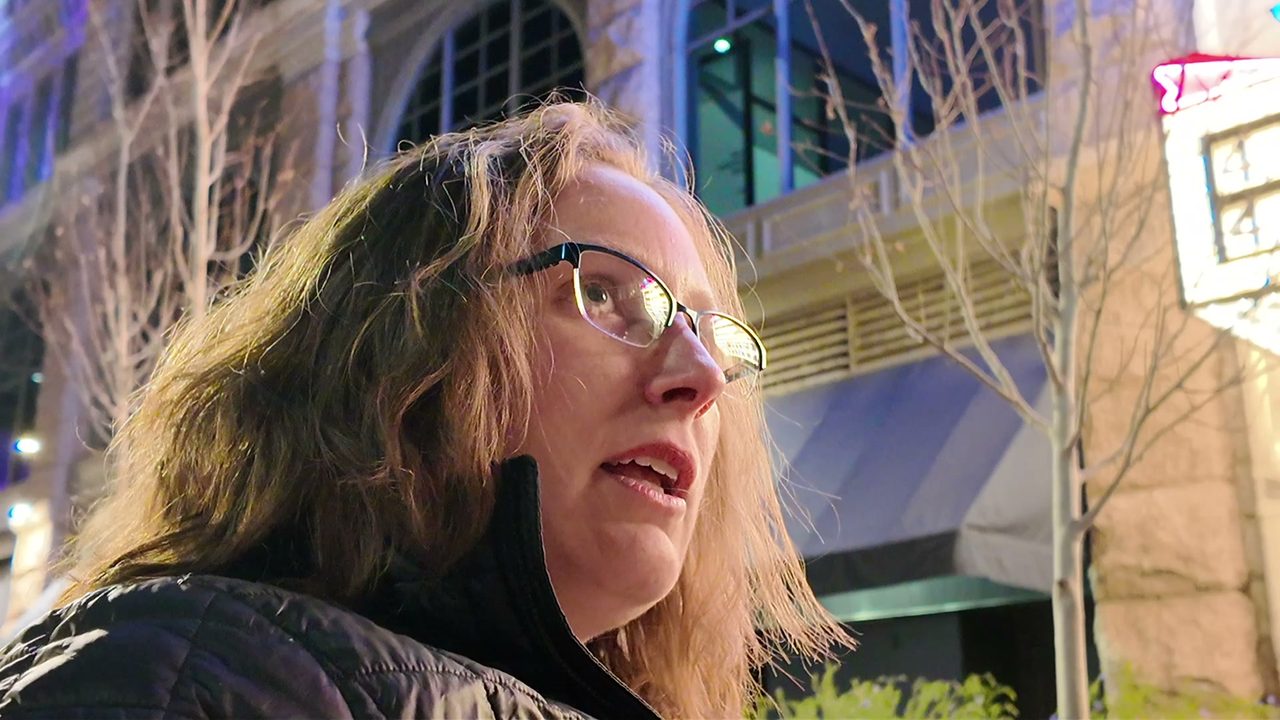
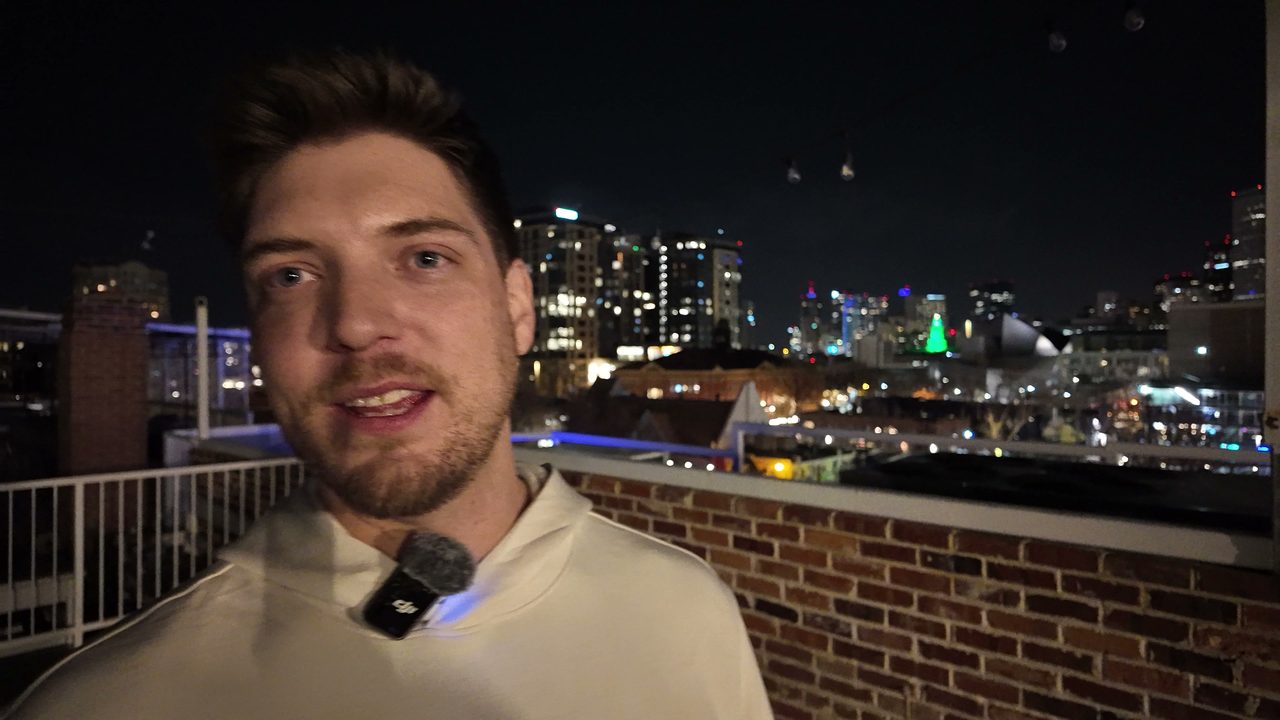
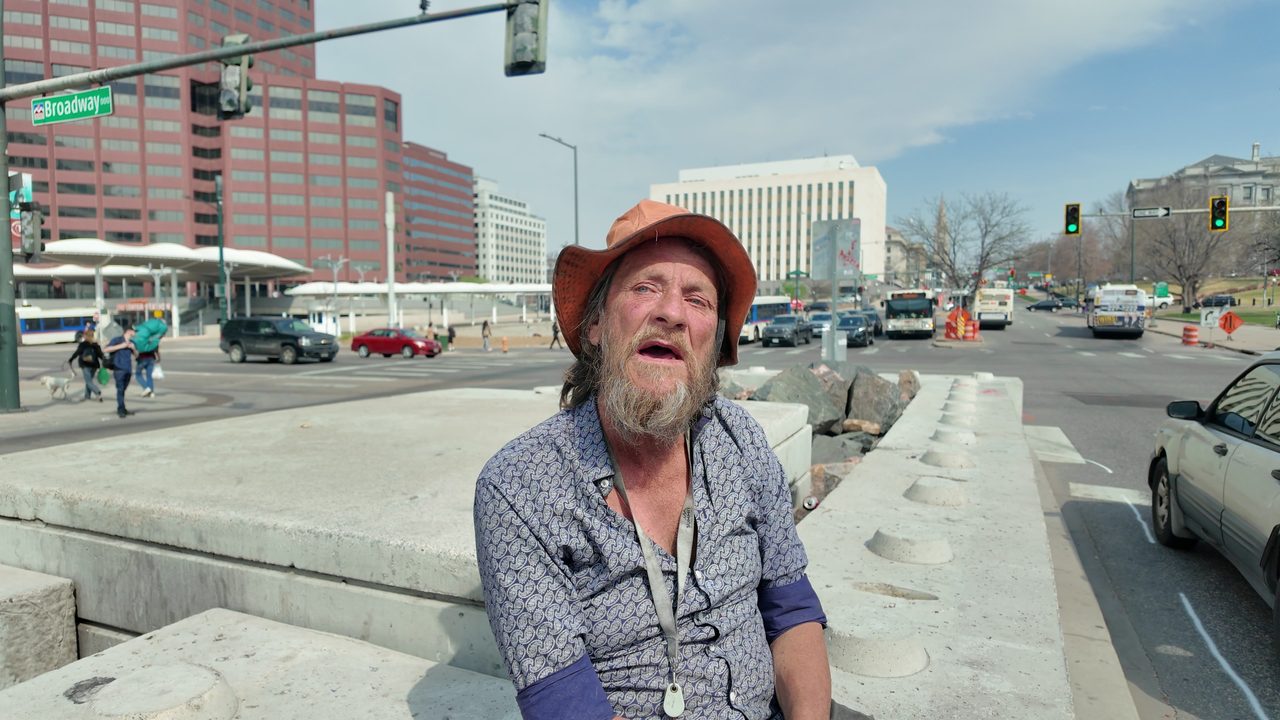
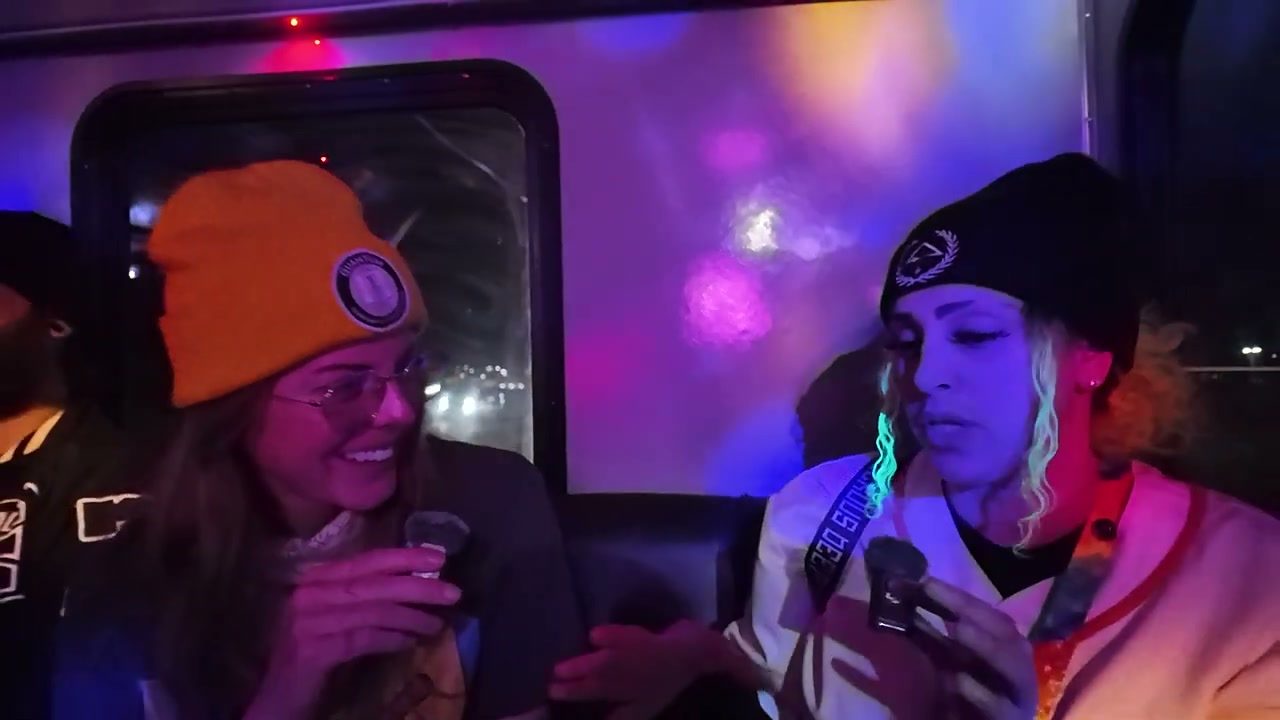
  • Q1 2026 Denver pilot. 100+ street interviews shipped on a friend’s camera-and-mic setup with zero budget. Tim and Calib leading the Denver block.
  • Q1 – Q2 2026 Lagos, Abuja, Maiduguri, and Nairobi production blocks land. Gift, Bayo, Wuraola, Fidesio, and Aziz active.
  • Apr 2026 Marissa named Chief Operating Officer. Production schedule and Promise Tracker live across the network.
  • May 2026 Editorial standards published at /standards. Sourcing, accuracy, AI policy, thirteen sections.
  • May 2026 Arikia Millikan joins as Editor at Large. Founder of CTRL+X, former WIRED editor.
  • May 2026 Devin promoted to Director of Interview Production after his first WTM interview ships in Charlotte.
  • May 2026 Diana joins as the first WTM reporter in Uganda. Fifth active country.
  • May 2026 Nelson joins as the first WTM reporter in the Bahamas. Sixth active country. Caribbean online.
  • May 2026 POIDH partnership terms confirmed. 2.5% platform fee on completed bounties flows to WTM. 50/50 creator-kickback policy in development.
  • May 2026 Global Pizza Party Bounty raises $530 across 23 backers. Proof the network responds.
  • May 12, 2026 Bonfires.ai pilot scoped and agreed with Joshua Bates. Two bonfire instances provisioned May 13.

Coming next

  • Jun 1, 2026 Funded contributor cadence formally begins. Weekly tips activate. Retainer slots open for evaluation.
  • Jun → Aug The practice season. Contributors out shooting across all active countries. Submissions evaluated for retainer slots.
  • Jul 1, 2026 Bayo’s brand standards v1 ship. Visual finish bar set across every piece WTM publishes.
  • Jul 7 – 14, 2026 Claude Design evaluation against Bayo’s v1 standards. Test whether the tool can generate monthly recap cards, community newsletter banners, and OG variants that clear the bar. Decision and outcome documented before Q3 production volume picks up.
  • 2026 Vietnam, Mexico, and India come online with reporters confirmed.
  • Q4 2026 Methodology audit. What worked. What did not. What we would change. Published in full.
  • Nov 30, 2026 Season 01 closes. Lead voices retained. Completion conversation, recap, what we earned together. December is rest.
The Horizon

A self-sustaining global journalism network where the people closest to a story are the ones paid to report it.

Readers fund the work directly through transparent onchain mechanisms. The editorial standard is publicly published, publicly enforced, and publicly accountable.

By the end of 2026: a working proof-of-concept across Nigeria, Kenya, Uganda, and Ethiopia. Three lead voices retained. The first season’s work published. Our funding diversified across community patronage, fellowships, and partner-aligned grants, none of which carry editorial influence. By 2027 and 2028: expansion to additional regions, decided by what the proof-of-concept teaches us about where the model travels.

If someone asks five years from now what We Them Media changed, the answer I want is reconnection. Black America back in touch with the rest of the African diaspora. Diasporic communities back in conversation with the continent. Ways of being that have been foreclosed for generations becoming visible again, not as anthropological objects but as living practice. Black Americans seeing themselves as a global people, curious about the rest of the diaspora in a new way. We’re using journalism as the vehicle for a project bigger than journalism: rejoining a people to itself across distance and time.

The bigger ambition, honestly, is to create a mirror that wouldn’t exist if we weren’t doing it. A way for the world to start to see itself differently, not just through messages funded to reach us, not just through the perspectives of people who have a stake in us not doing this. People in places that don’t even have power, getting online and on the record. That’s the work.

Erasure ends here, on the record, with credit and pay where they belong.

Where this started

From a college apartment in Lancaster, with the proceeds of an ENS airdrop.

Maceo Whatley started We Them Media in 2021 from his college apartment at Franklin & Marshall in Lancaster, Pennsylvania, after his own ENS (Ethereum Name Service) airdrop. With the proceeds he bought a webcam and a microphone and started the podcast that became Let’s Talk About ETH: Around The World. Five years in, nine countries deep in the Ethereum ecosystem. Builds slow, ships steady.

The team has grown since. As of May 2026 the network carries Maceo plus eight named core contributors, an expanding bench of poidh-funded reporters (Kafani, Kaspa, John Bayode, WalkwithGod, Gift, Bayo, Wuraola, Tim, Calib, Diana, Nelson, and counting), and Editor at Large Arikia Millikan (former WIRED editor, founder of CTRL+X). Twenty-four dispatches shipped across six countries in May 2026 alone. Mexico, India, and Vietnam are the next stages. The work is in motion.

Cameras in many hands, across many countries. Video notes moving between a barbershop in Philadelphia, a market in Lagos, a campus in Nairobi. A third place, made of the curiosity between them. A catalog of it all on the open web, permanent, not behind anyone’s paywall. A record of what communities looked like in this decade, kept by the people who lived in them.

This is not a side project. It is the founder’s decade.

All of a sudden you’ve got a neighbor committed to being your neighborly newscaster.
by Maceo · founder · We Them Media

Brands that want to commission production from inside the network: For brands →

Now playing from the catalogue
Full archive →
Philadelphia · Field interview
"The numbers don't add up to work for nobody."
Ethiopia · ETH Pop-up
Gloria, on discovering Bitcoin.
LTAE · Newest
The latest drop on the podcast.
🍕 Watch the gallery ×